

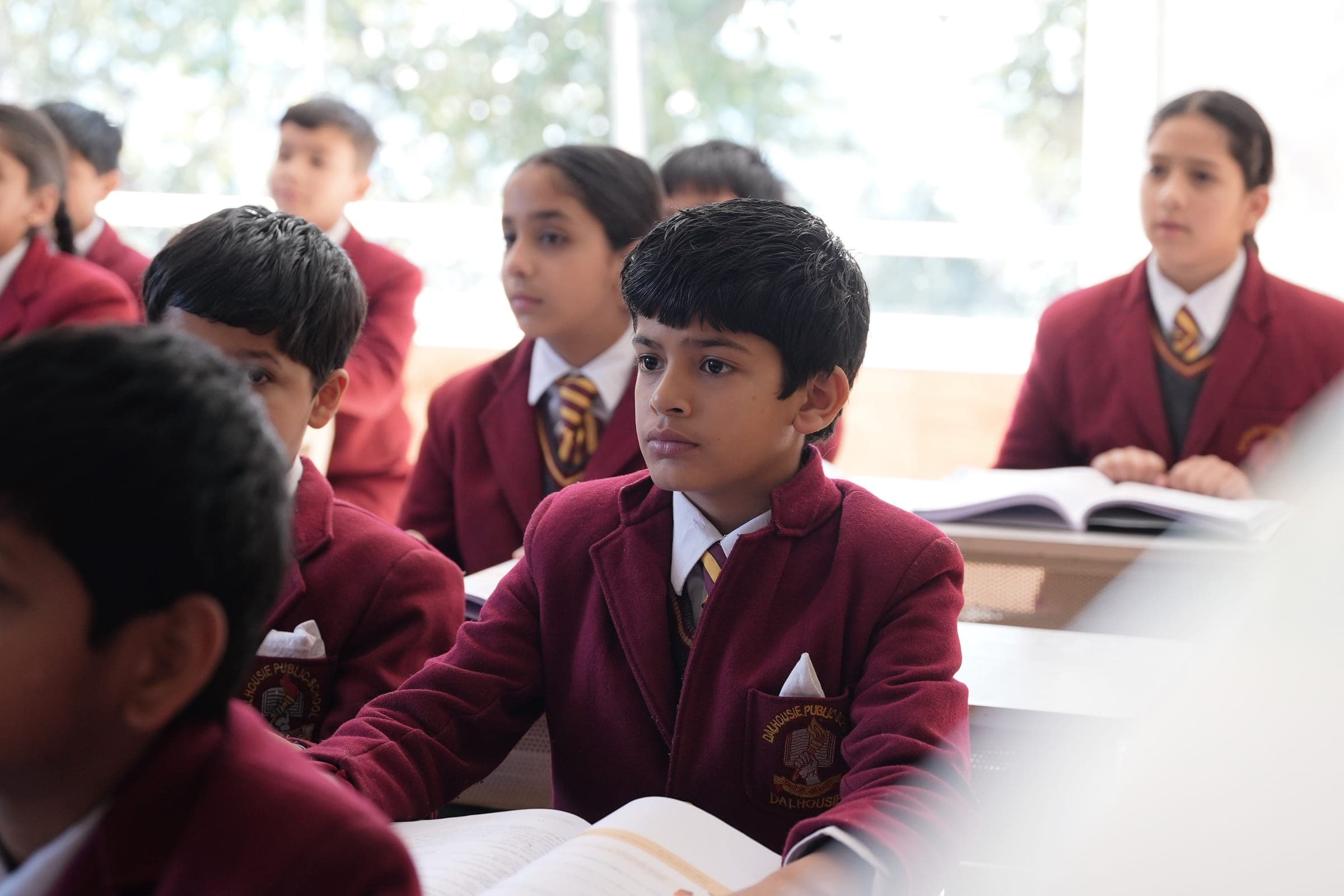
But childhood is changing in many other ways too
A marksheet can tell you how your child performed academically. But childhood is changing in many other ways too. Are they becoming more confident? More responsible? Physically stronger? More independent? Better able to communicate, contribute and respond to challenge? The Dalhousie Whole Child Report gives parents a wider, term-by-term view of that growth.
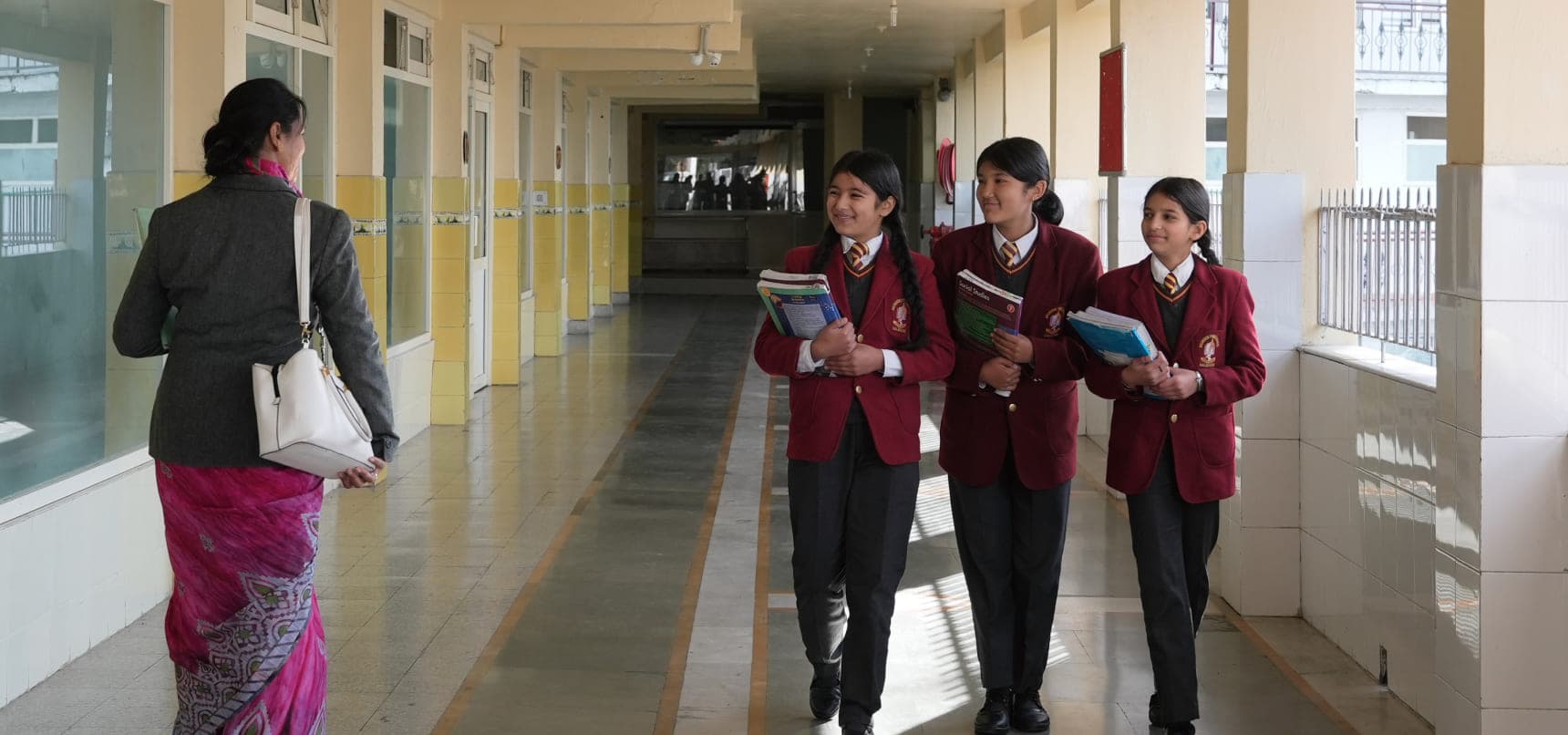
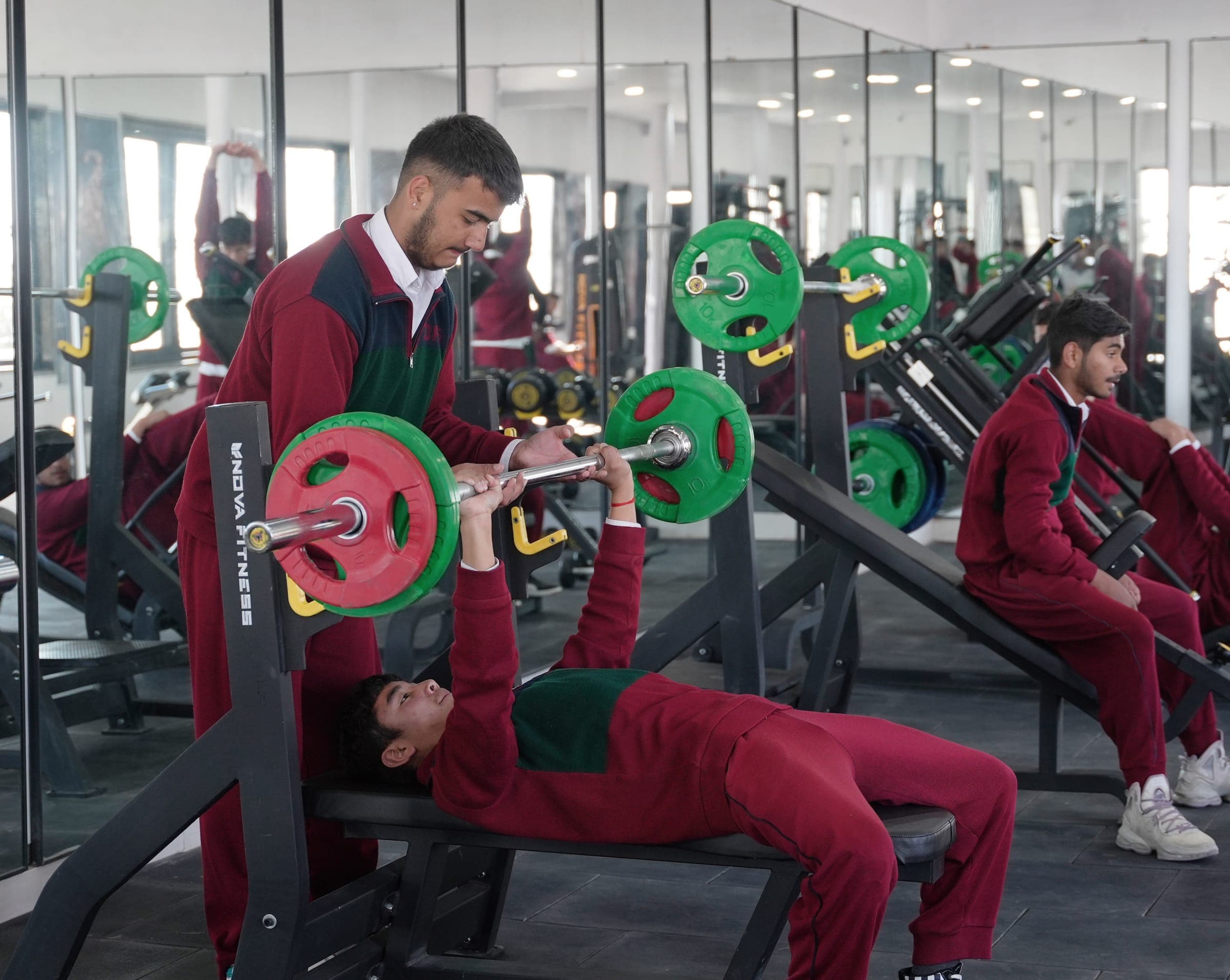
A clearer picture of who your child is becoming.
Academic achievement remains important at Dalhousie. The Whole Child Report simply widens the lens.
It brings together academic progress with the behaviours, habits and capabilities that are developing alongside it, giving parents a more complete understanding of the child's journey.
Not another set of marks. A better view of progress.
One Report. Six Dimensions of Growth.
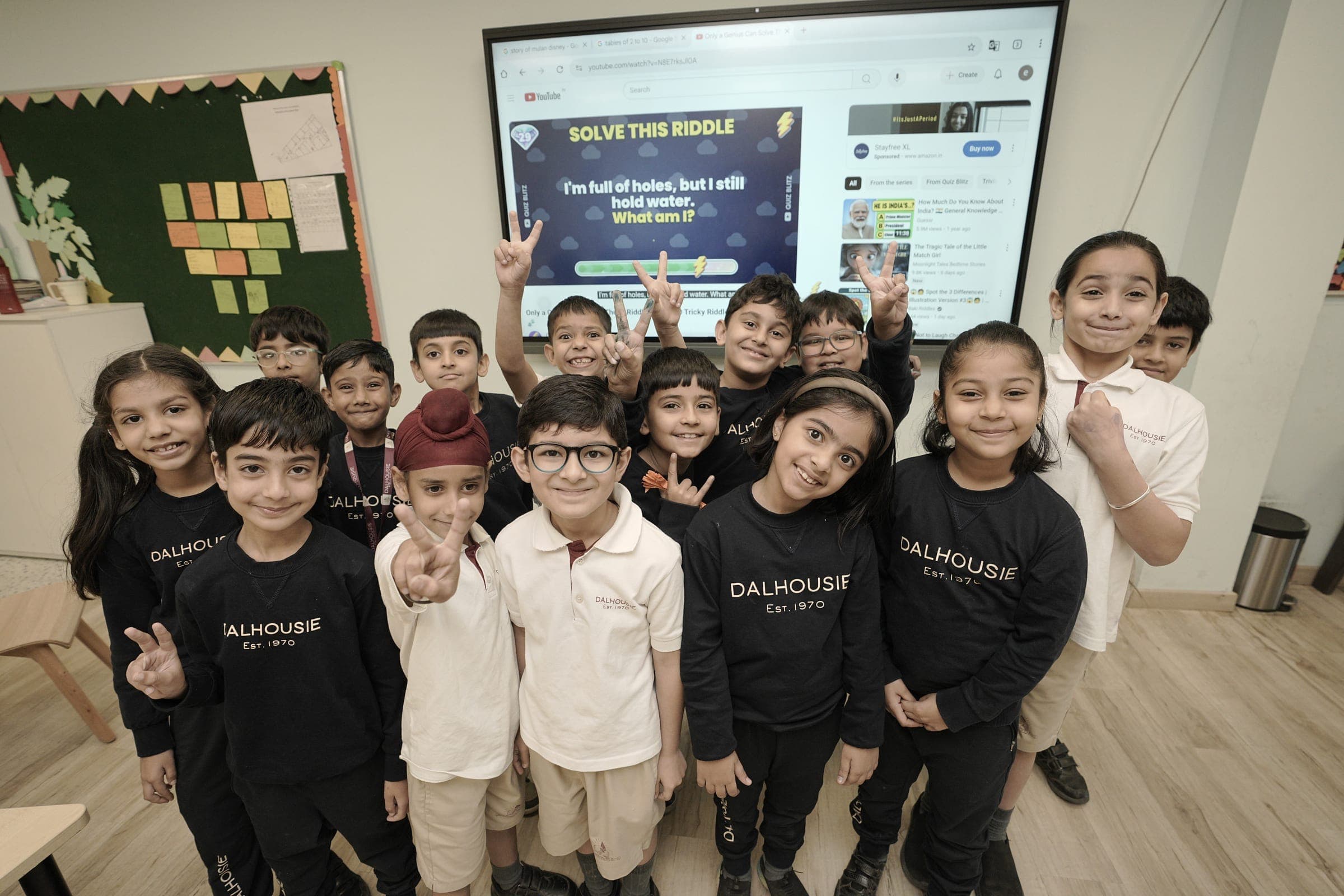
Academic progress
Academic progress
How the child is learning, preparing and progressing, including areas of strength and where greater focus may be needed.
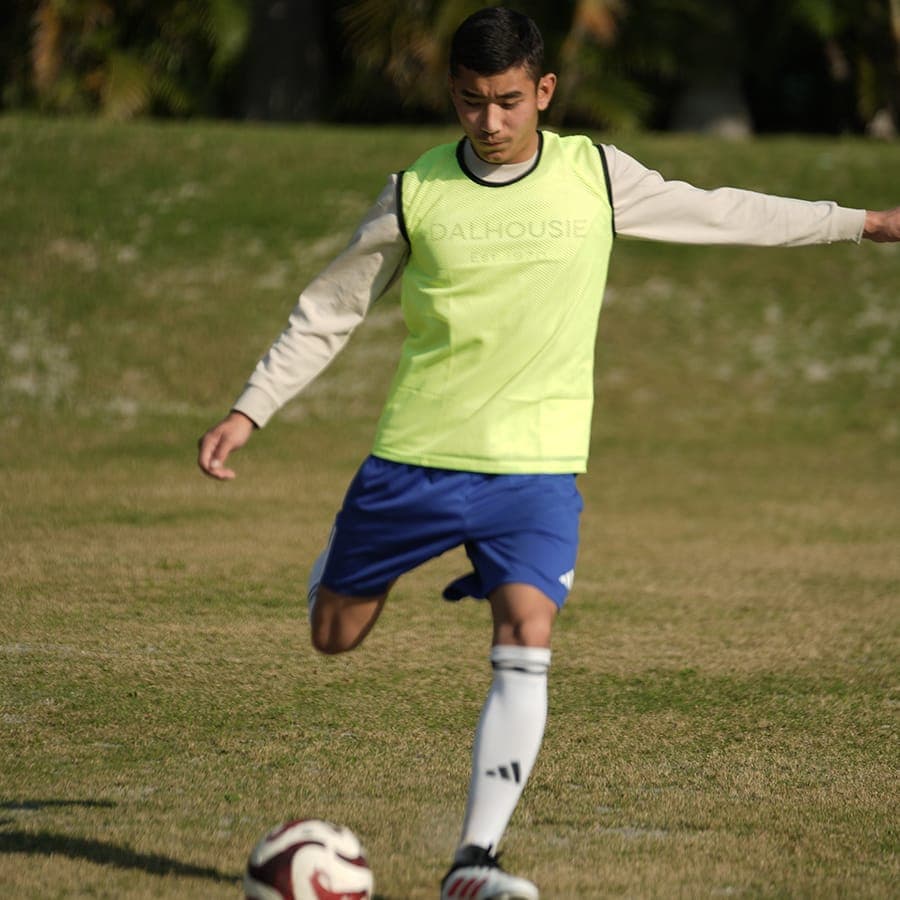
Physical fitness
How the child is participating physically and developing strength, fitness and resilience over time.
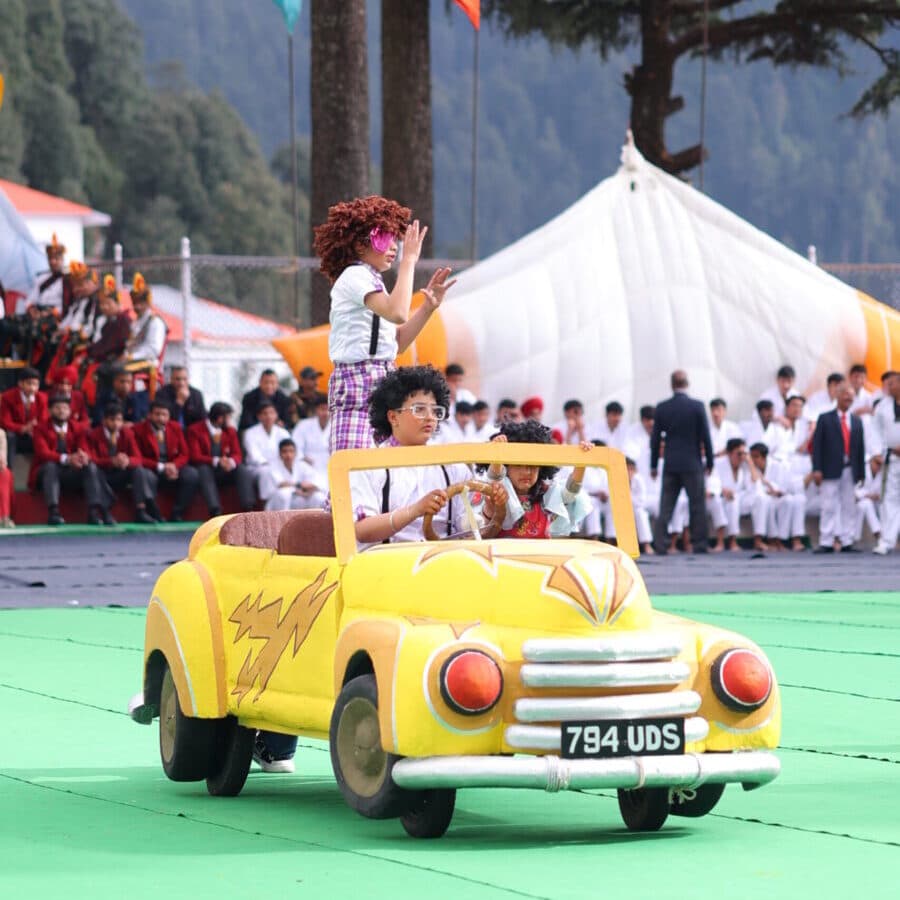
Confidence & voice
How comfortably the child participates, communicates, presents ideas and makes themselves heard.
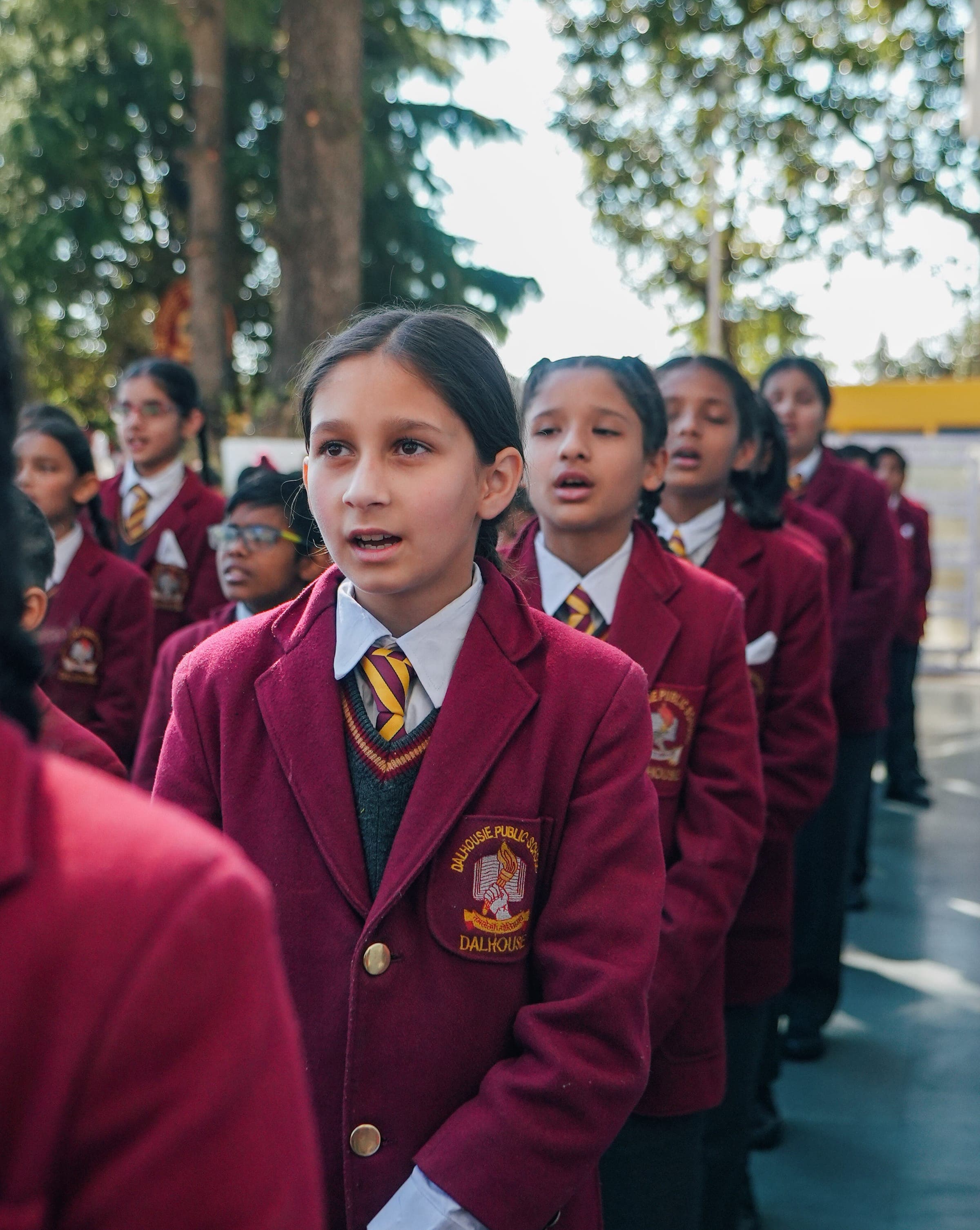
Responsibility
How the child is developing self-management, consistency, judgement and ownership of everyday responsibilities.

Residential growth
For residential students, how the child is adapting to routines, relationships, community life and increasing independence.
Character & mentor feedback
The observations that numbers alone cannot capture: how the child responds to challenge, works with others, accepts guidance and contributes to the community.
The report is not the end of the conversation. It is the beginning of a better one.
Progress should tell us what comes next. The Whole Child Report helps parents, students and mentors look at the same picture together: What has grown? What needs more attention? Where is the child ready for a greater challenge? What should the next term focus on?
The purpose is not simply to document development. It is to use what we see to guide what happens next.
From "What did you score?" to "How are you growing?"
A term can contain changes that are easy to miss. A child who begins speaking with greater confidence. A student who starts managing work more independently. Greater consistency in sport. More responsibility within the house. A better response to disappointment.
The Whole Child Report gives these changes a place in the conversation. So, parents can understand both what their child has achieved and how their child is changing.
The Proof Behind the Promise
The whole child for the whole future. Dalhousie speaks about preparing the whole child. The Whole Child Report is how that promise becomes more visible. One term at a time. One child at a time. One fuller picture of growth.
Most schools report marks. Dalhousie reports growth.
The whole child for the whole future
See the difference for yourself.