

Academics
What is the child understanding, learning, strengthening and preparing towards?
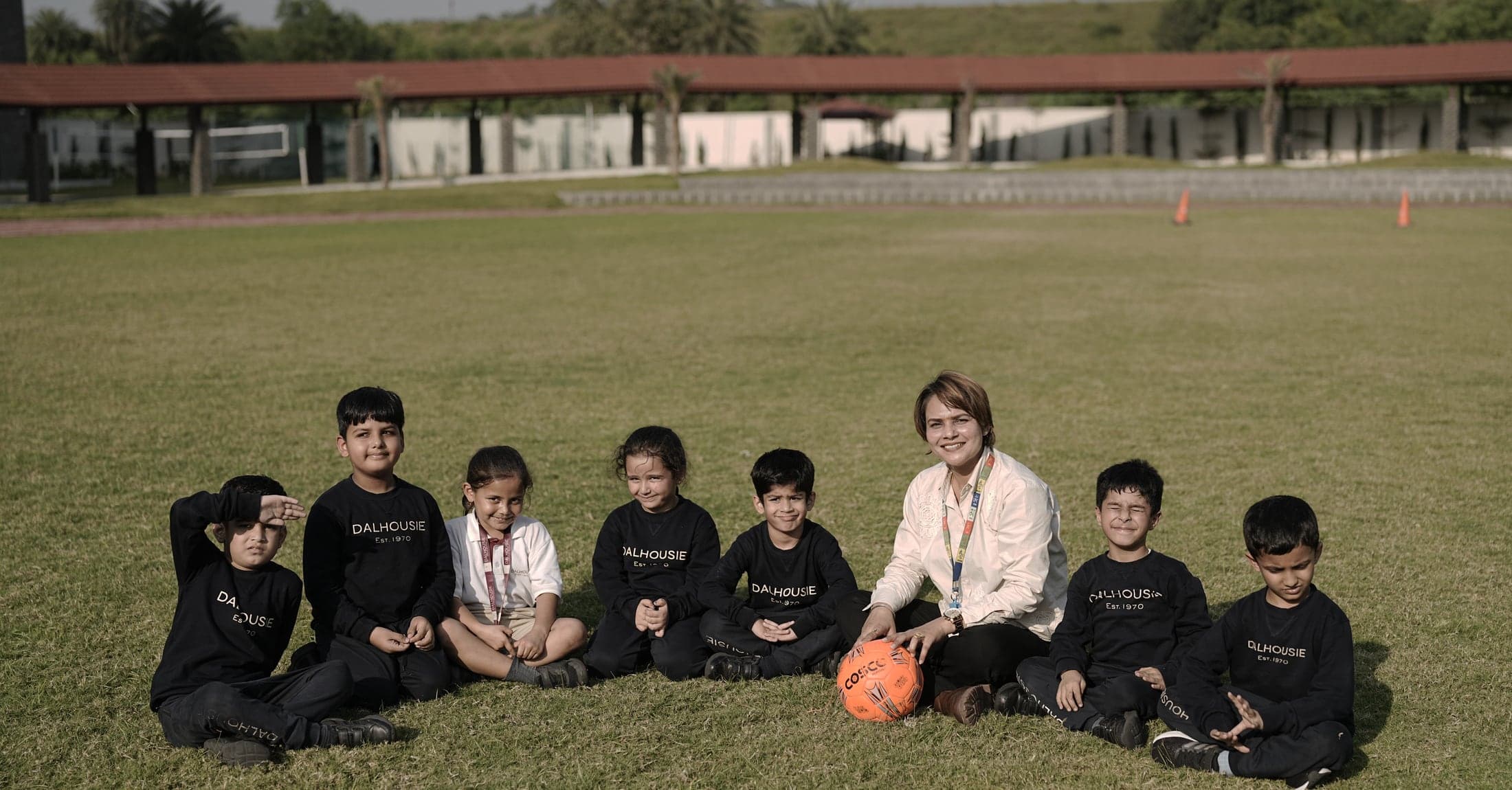
Preparation somewhere else. Sport squeezed into the week. Confidence left to personality. Independence left for later.
Dalhousie brings these parts of childhood back together - into a more complete environment designed to prepare the whole child for the whole future.
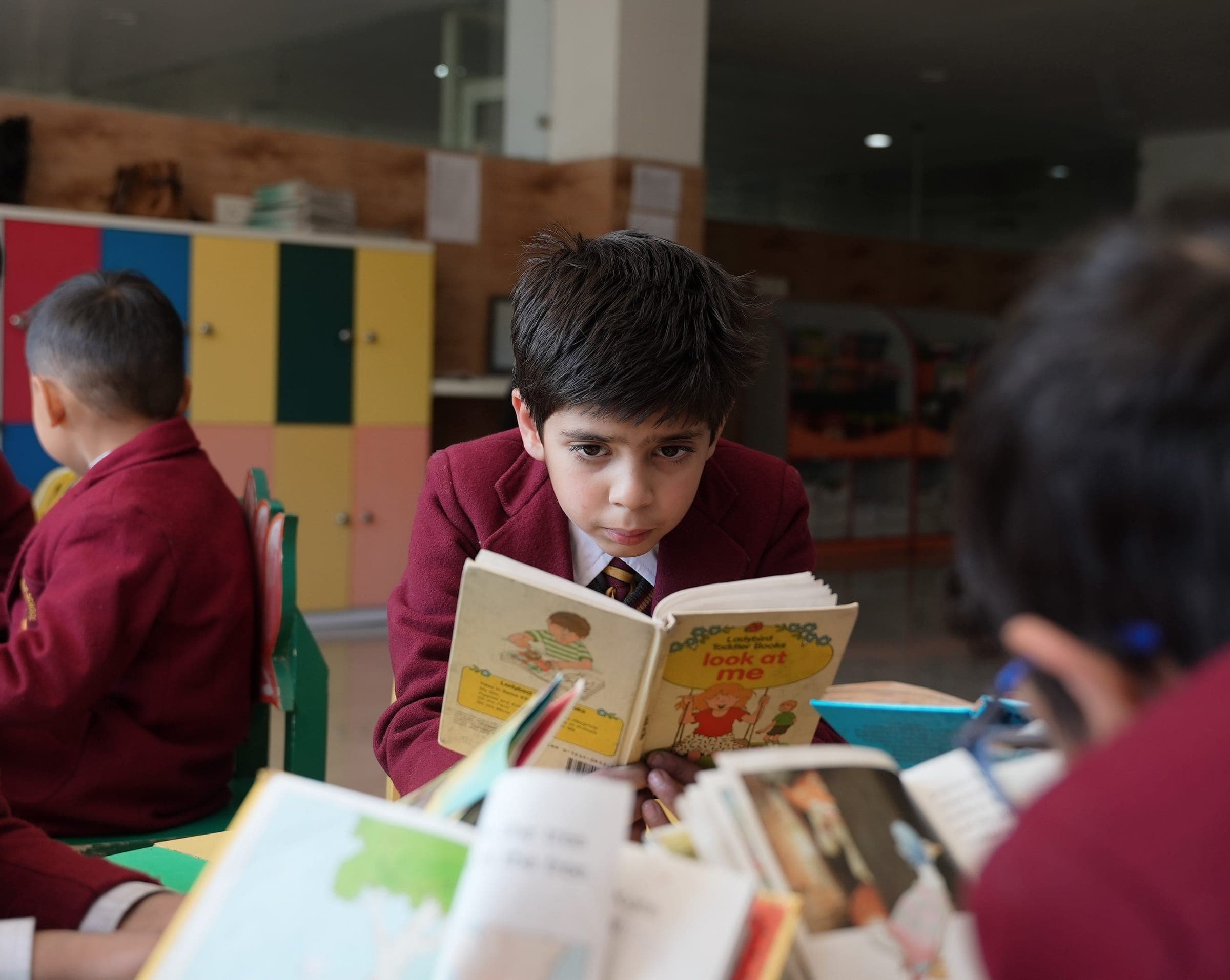
Parents today are asking something larger. Can my child be prepared for competition without losing balance? Can they become ambitious without living under constant academic pressure? Will they grow in confidence, health, manners and emotional strength - not just marks?
Will they learn to make decisions, manage themselves and become more independent? And can all of this happen without childhood becoming a continuous movement between school, tuition, enrichment classes, homework, screens and travel? These are no longer separate concerns. Together, they shape the kind of person a child becomes.
School teaches. Tuition prepares. Sport happens when time allows. Confidence is expected, but not always trained. Responsibility is discussed, but not always practiced.
Parents receive marks, but may still struggle to understand how their child is growing beyond academics. The result can be a childhood that is full - but fragmented. A child can spend the entire day preparing for the future and still have important parts of development left to chance. Dalhousie begins by changing the design.
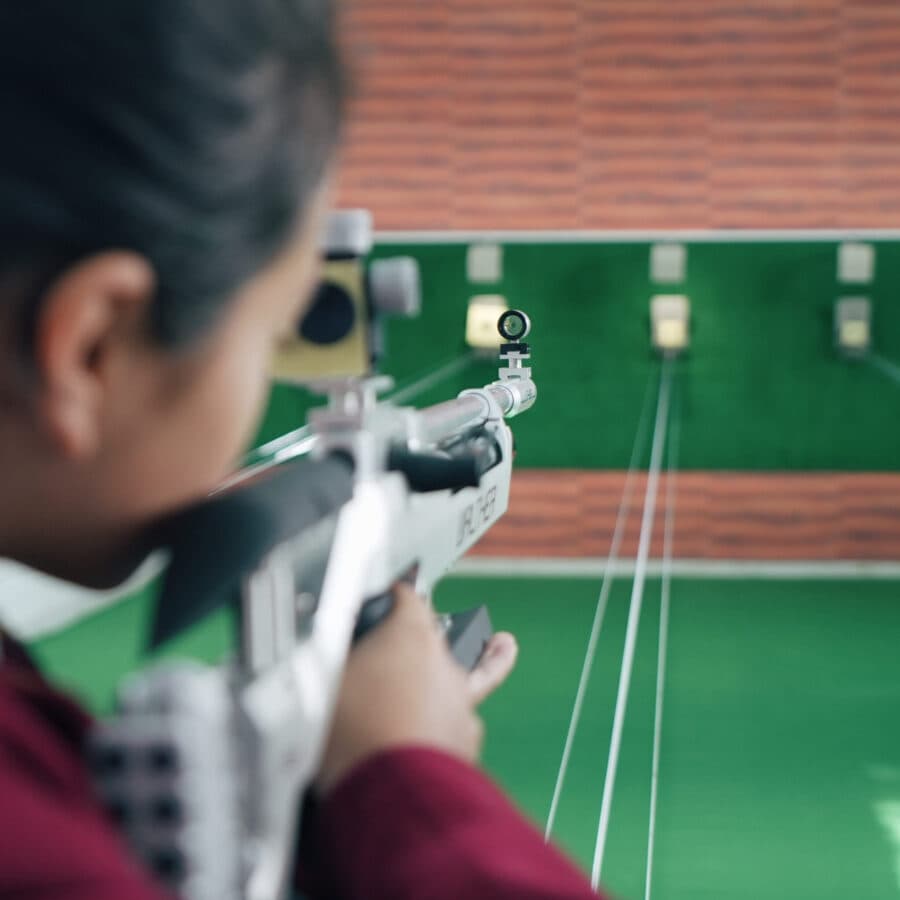
The school day ends. Then another one begins. Travel. Tuition. Homework. Revision. Another activity. Another commute.
The academic ambition is understandable. The structure around it does not always have to be. Dalhousie does not reject ambition. It brings ambition into a more complete system - one in which preparation can sit alongside fitness, confidence, responsibility, relationships and rest.
At Dalhousie, academics are connected to preparation. Sport is connected to resilience. Speaking and performance are connected to confidence. House life is connected to belonging and responsibility.
Prep time is connected to better study habits. Mentoring is connected to reflection and direction. Residential life is connected to independence. And visible reporting connects parents to who the child is becoming. This is the Dalhousie difference. Not more disconnected programmes. A more connected childhood.
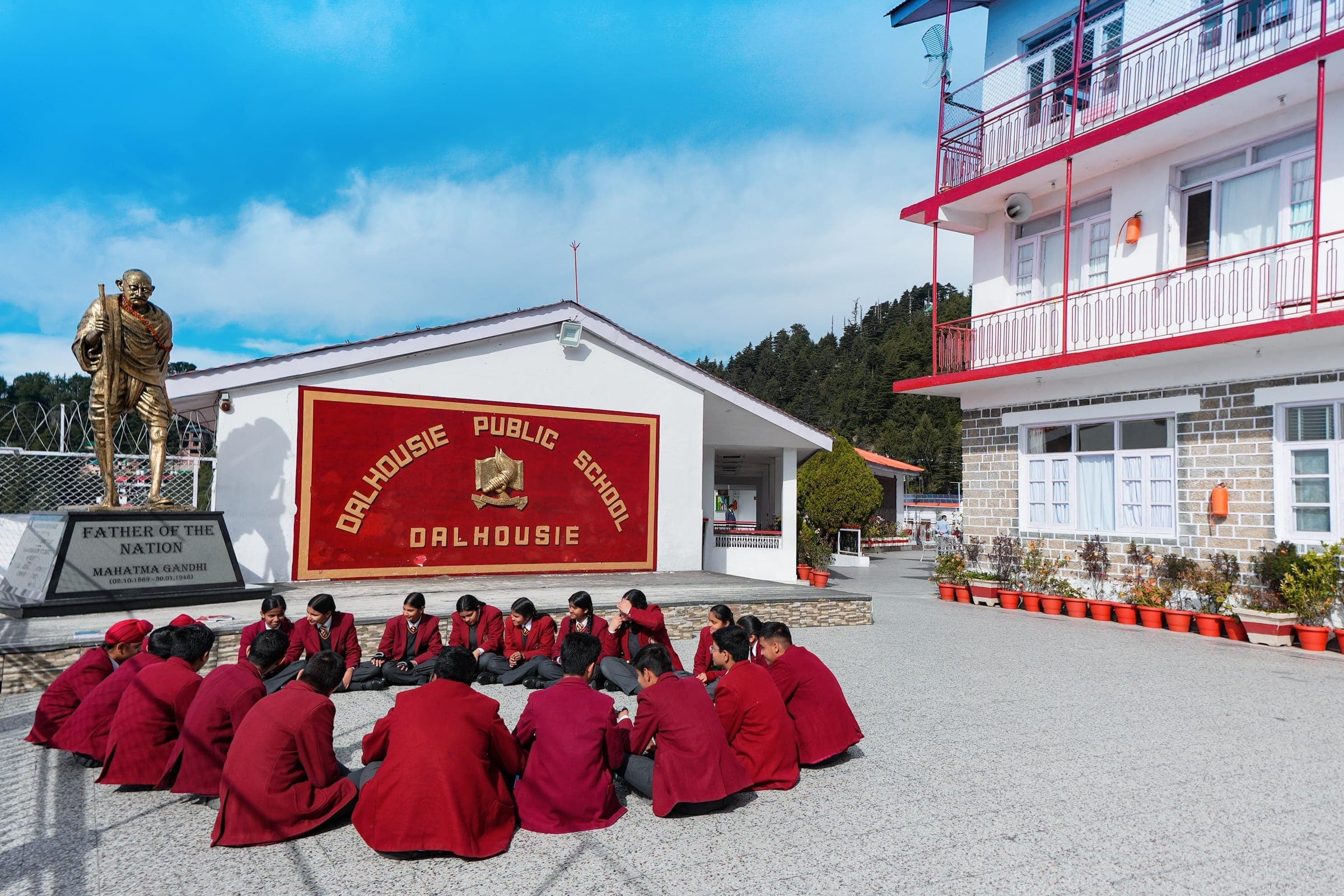
Where this leads
The first six build the child. The seventh makes the growth visible.
Why Dalhousie
It will ask them to think clearly. Communicate with confidence. Work with different people. Stay physically and emotionally strong. Take responsibility. Make decisions. Recover from difficulty. Stand on their own. And know when to ask for help.
Academic achievement remains essential. But it becomes one dimension of a larger preparation. Dalhousie prepares children academically, physically, socially, emotionally and morally - because the future will not experience them in fragments. It will experience the whole person.
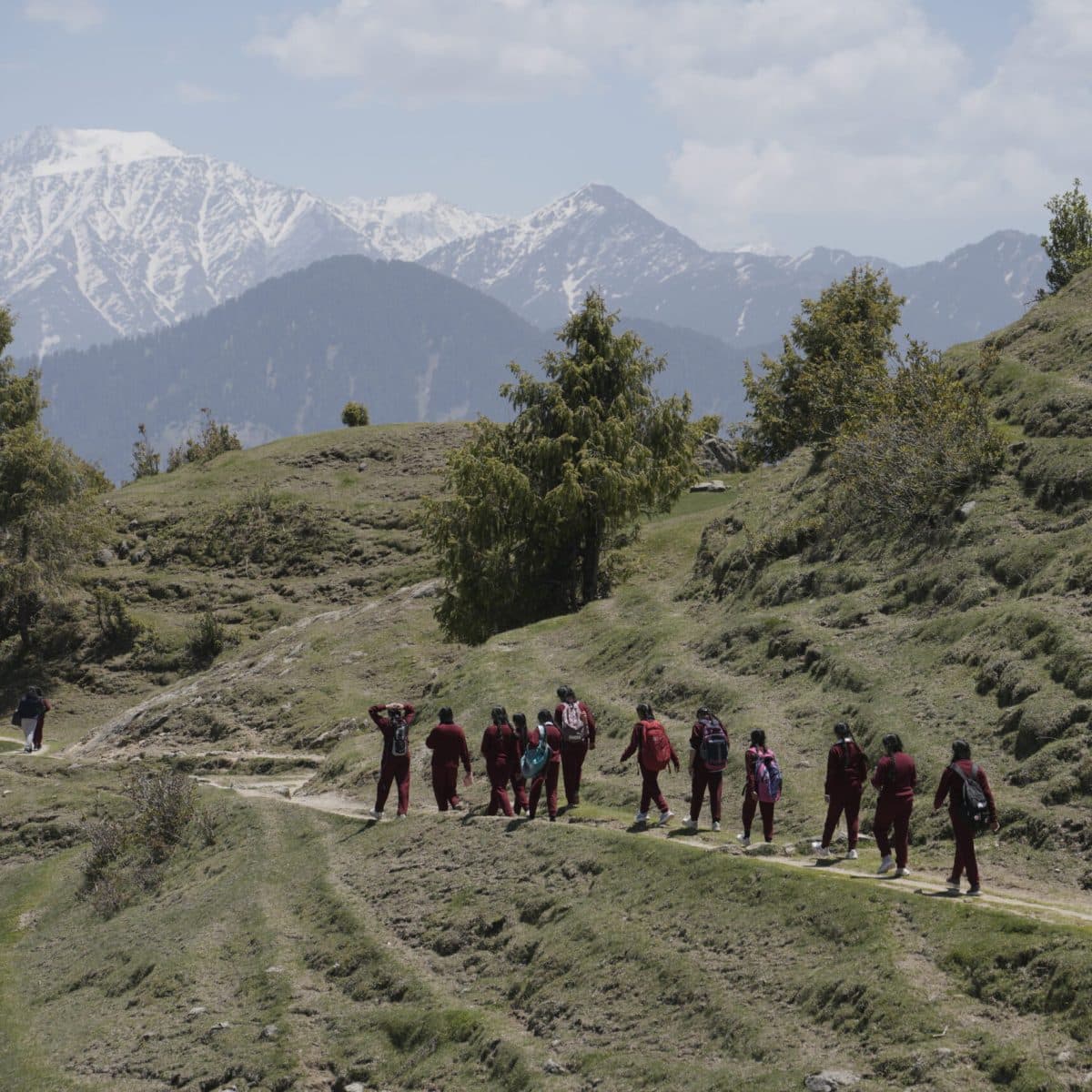
A philosophy matters only when a child can experience it. The Dalhousie Day gives the whole-child promise a daily rhythm.
Morning routines develop self-management. Classrooms build academic foundations. Competitive preparation develops focus and direction. Sport develops strength and resilience. Debates, assemblies and performances develop voice. Shared meals and house life develop manners and belonging. Prep develops discipline. Mentors provide guidance. Residential care creates security while independence grows.
The day is not designed to make children busier. It is designed so that more of what matters can grow together.
The Dalhousie Preparation System gives structure to the different dimensions of the child's growth.
Dalhousie Competitive Edge
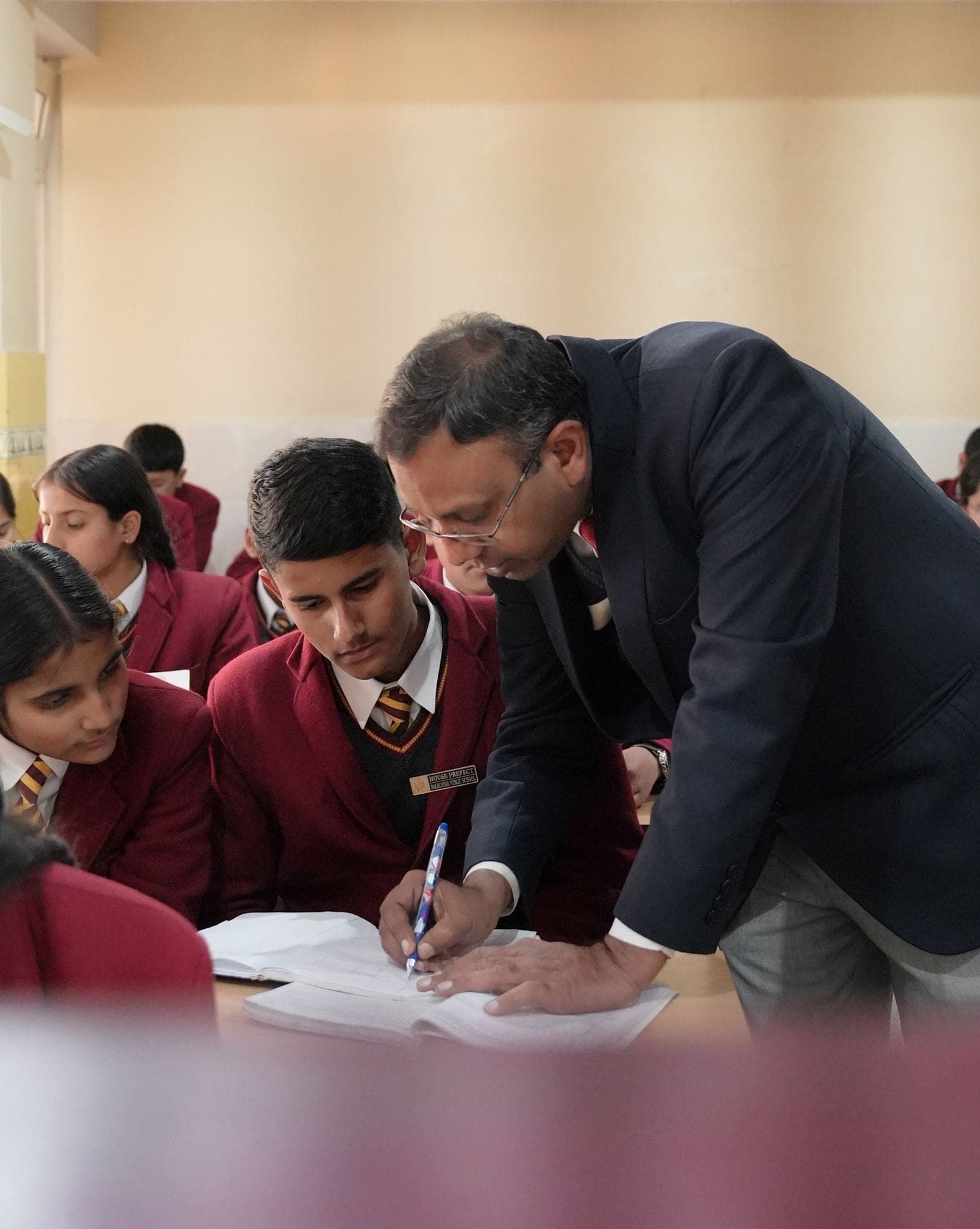
Serious preparation.
Without the second shift. Academic diagnostics, concept strengthening, guided practice, testing, doubt support and mentoring help students prepare with greater direction.
For those drawn to serve.
Discipline. Fitness. Awareness. Communication. Bearing. Teamwork. Service. The pathway begins with the making of the person before focusing only on the examination. Before the uniform, the making of the person.
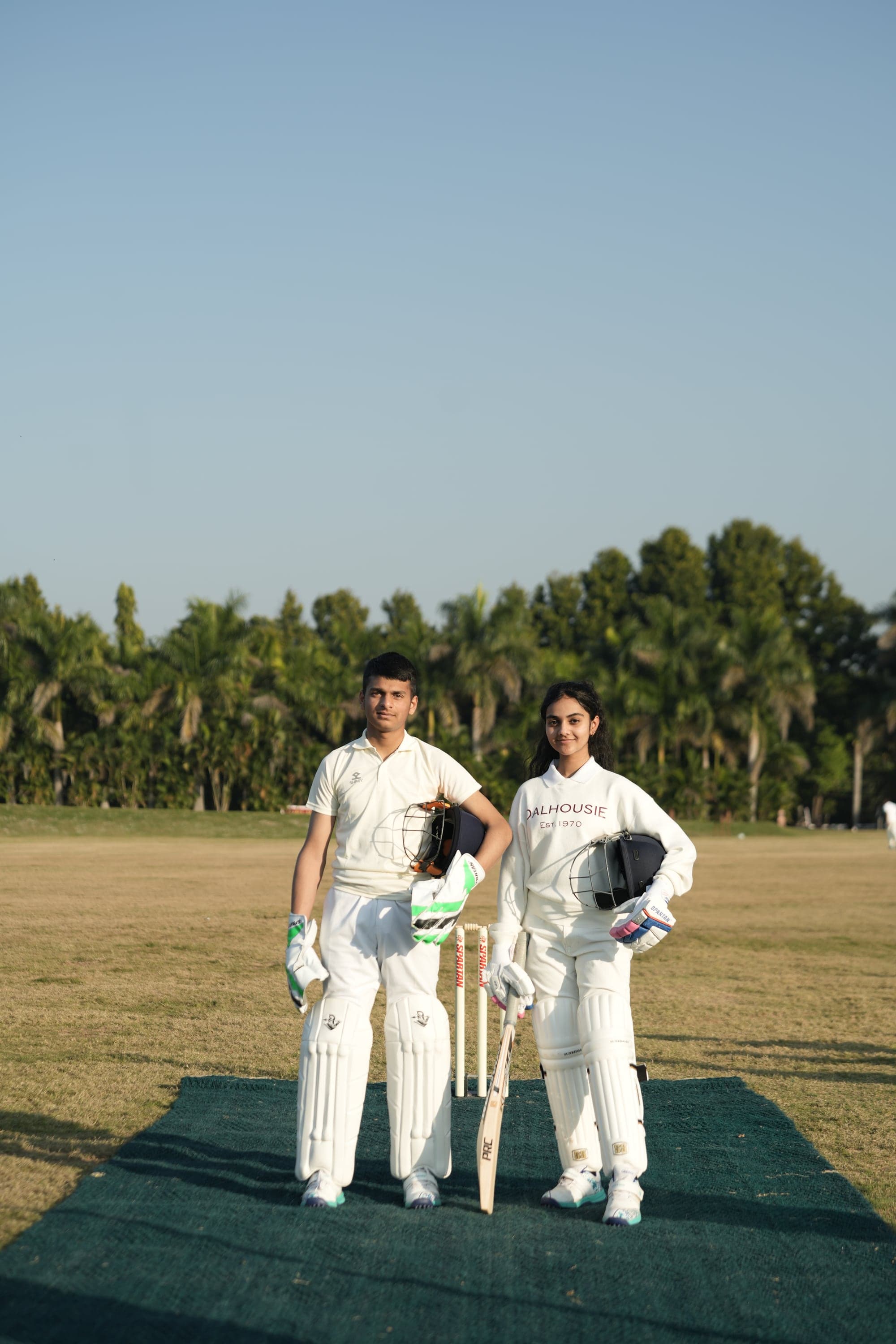
Character in motion.
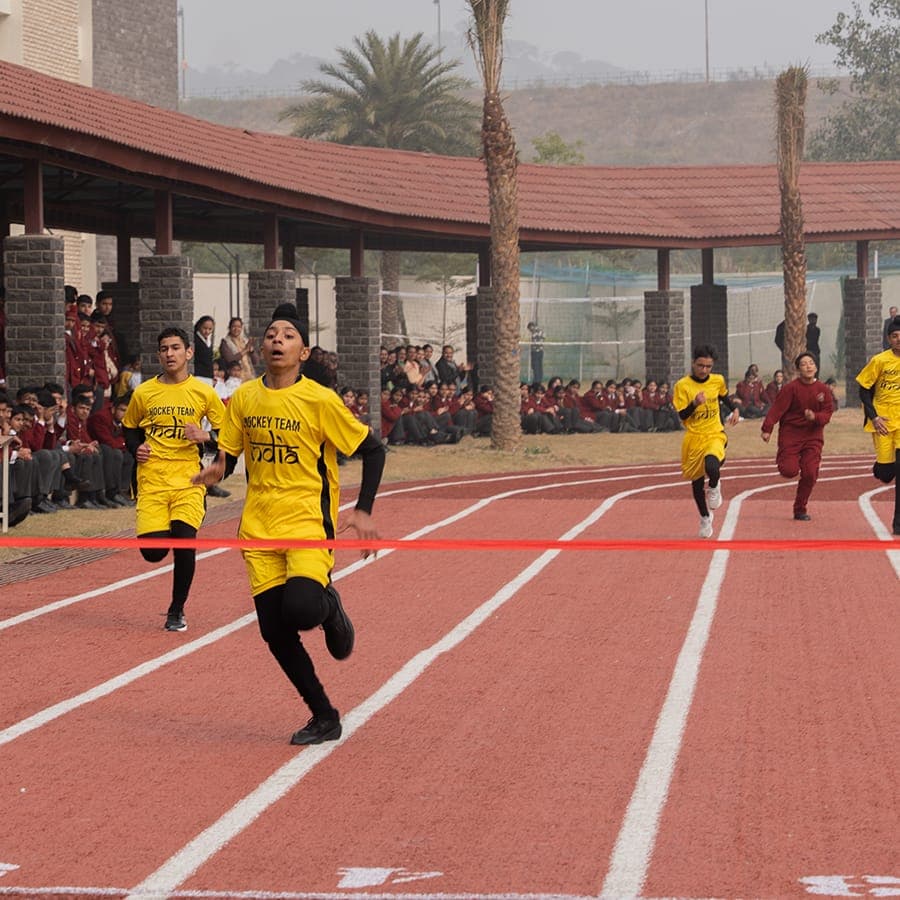
Fitness, teamwork, competition and resilience help every child become physically stronger and more comfortable with challenge.
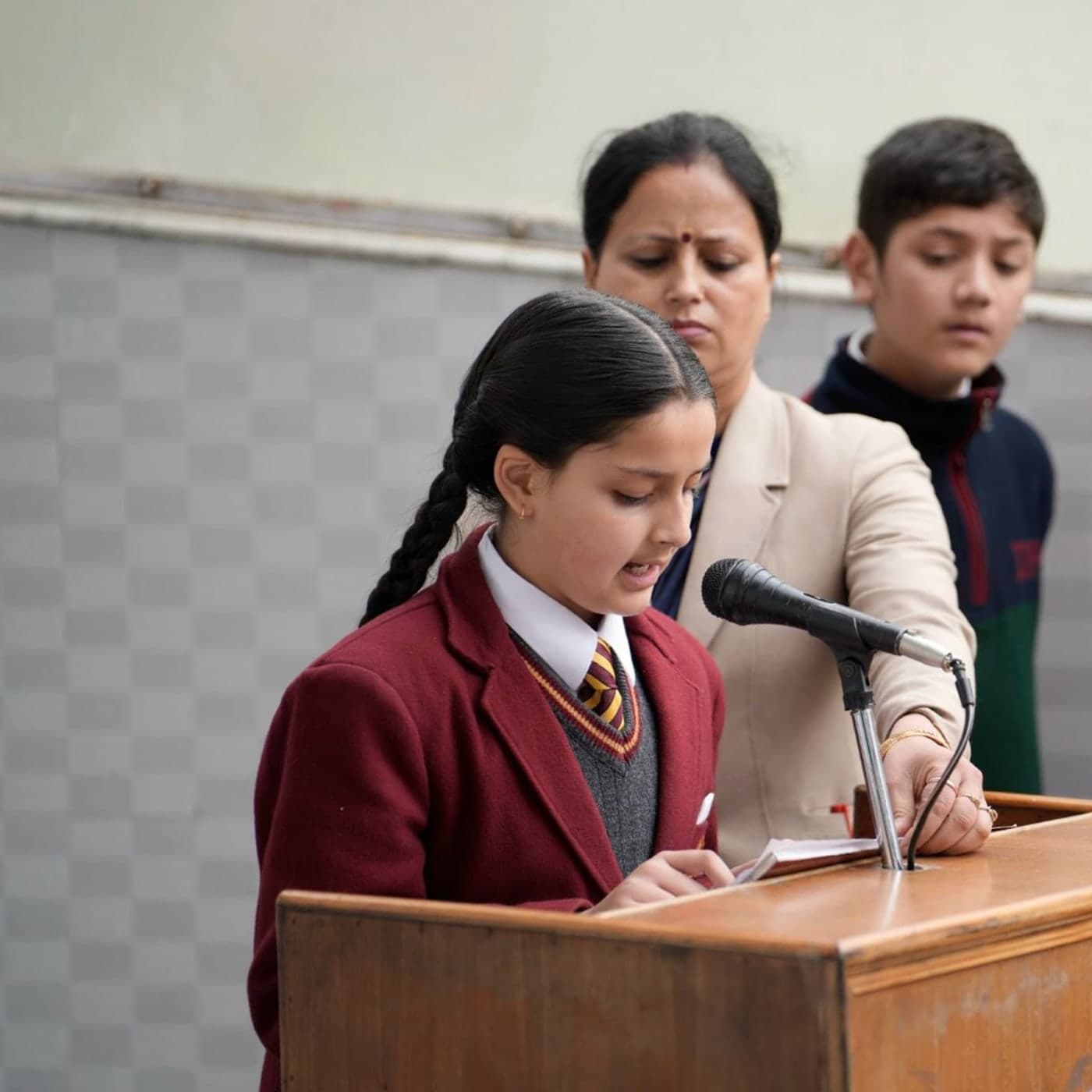
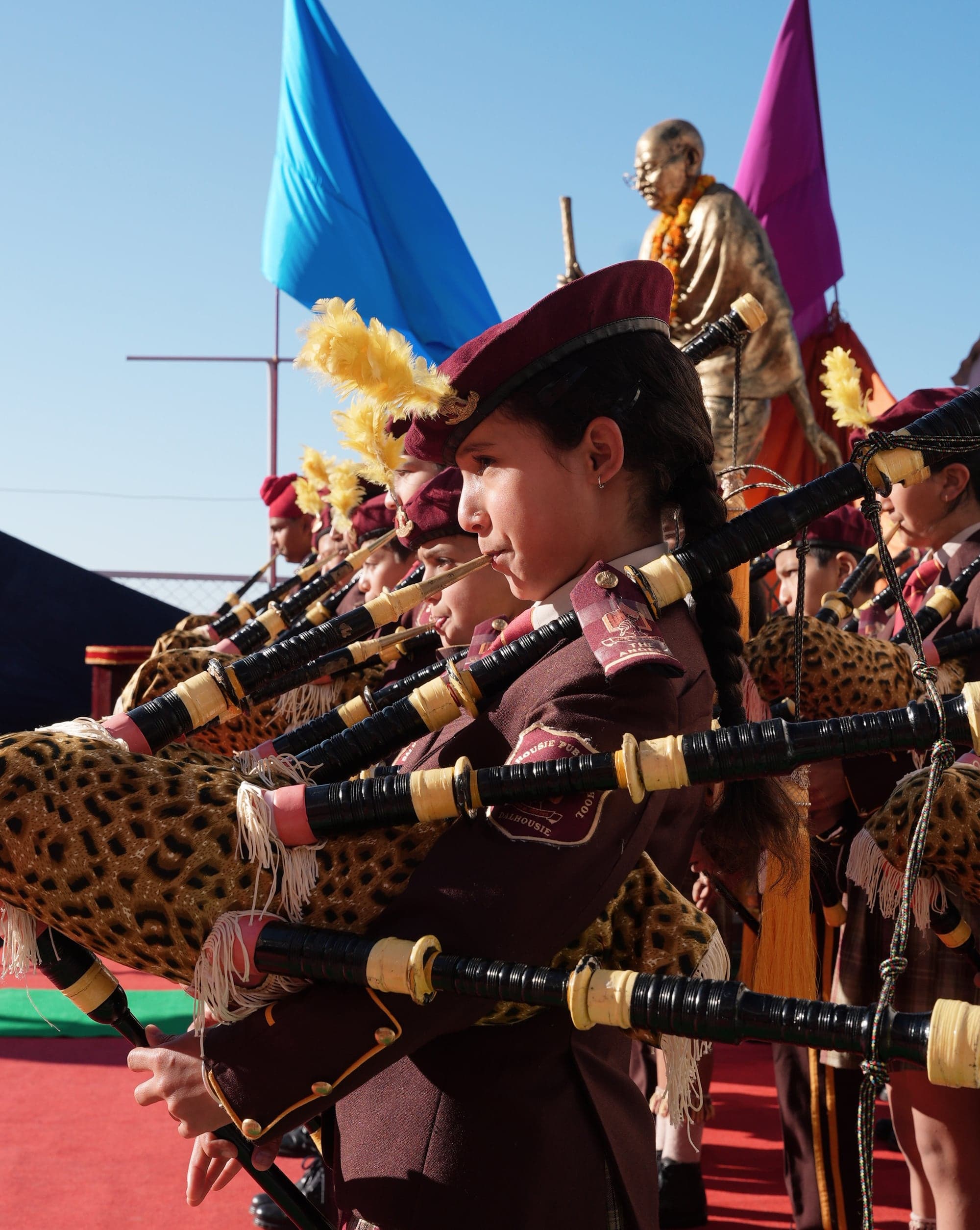
Every child learns to stand, speak and be heard.
Speaking, performance, persuasion, presentation and leadership are practiced rather than left to chance.
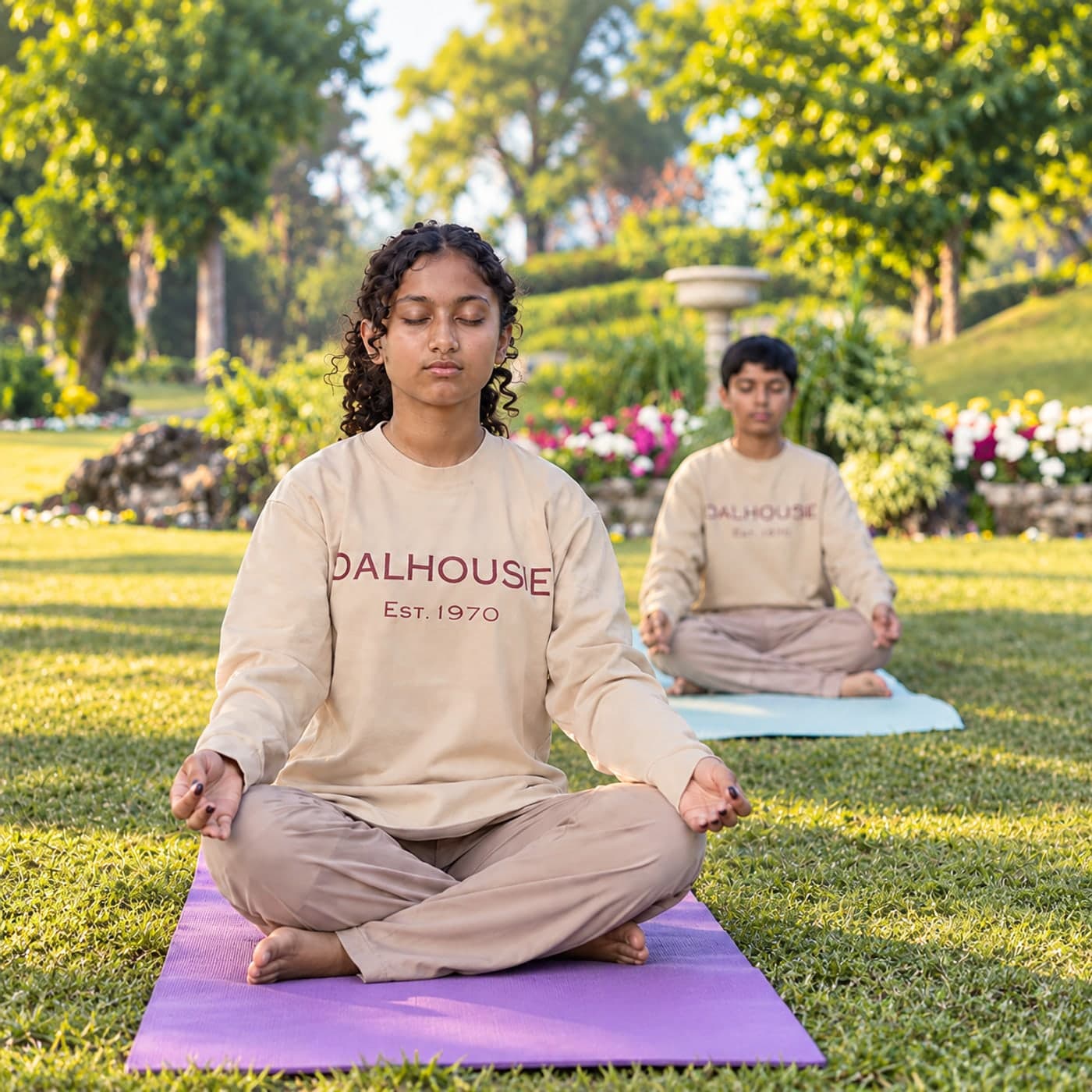
The things life demands, but most schools forget to teach.
Self-management, digital discipline, practical judgement, service, responsibility and decision-making become part of the child's growth.
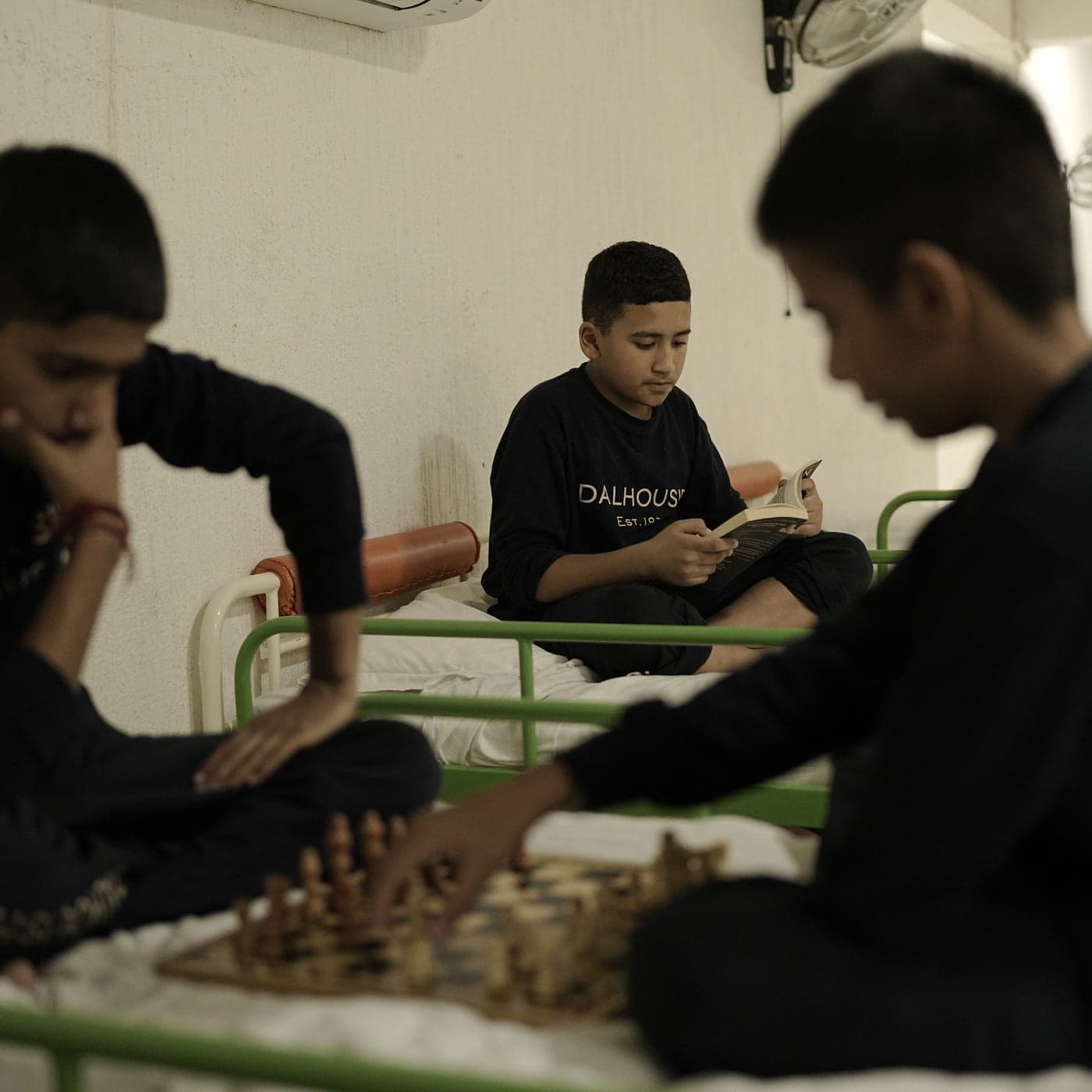
Boarding is where children become.
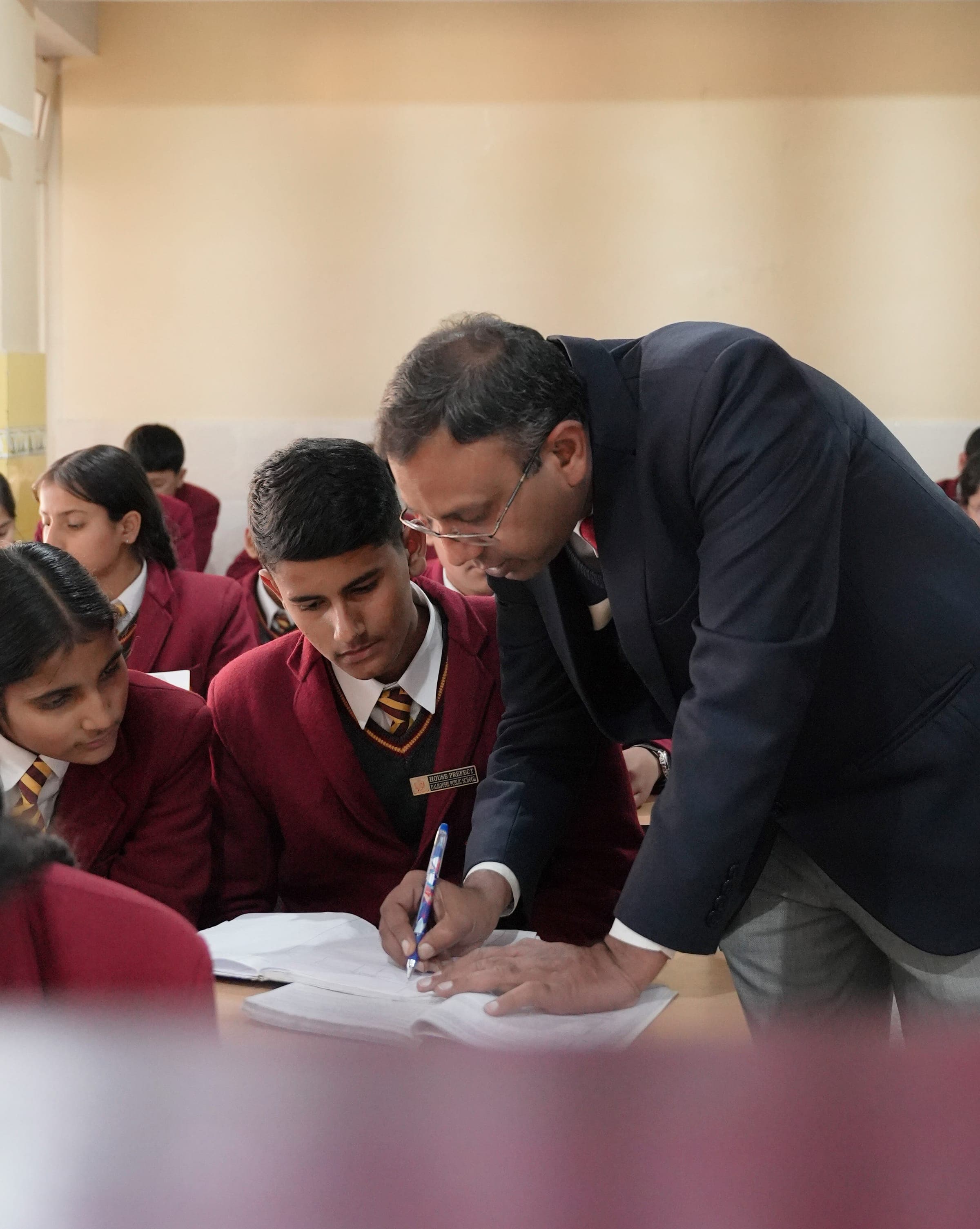
Routine, house life, mentoring, shared responsibilities and everyday decisions create the conditions in which independence can grow.
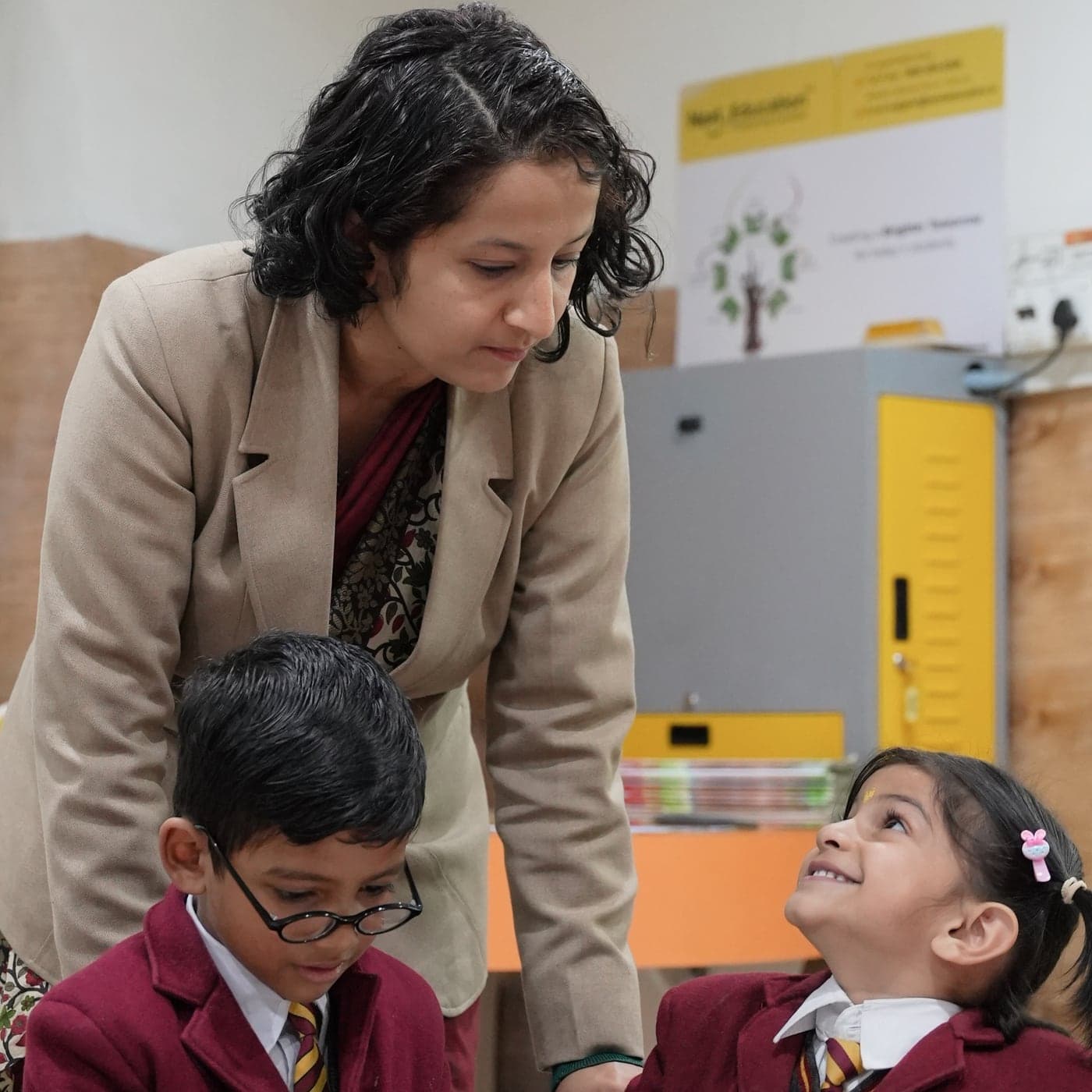
Most schools report marks.
Dalhousie reports growth. Academic progress, fitness, confidence, responsibility, residential growth and character come together to give parents a fuller view of development.
The first six build the child. The seventh makes the growth visible.
Some of the most important growth in childhood does not appear in an examination score. The first time a child speaks confidently before a group. The moment they begin managing their own routine. Greater physical stamina. Better judgement. Taking responsibility without being reminded. Responding differently after a setback. Learning to contribute to a team or community.
Dalhousie's approach is built around making more of this progress visible. Because whole-child education should not remain an invisible promise.
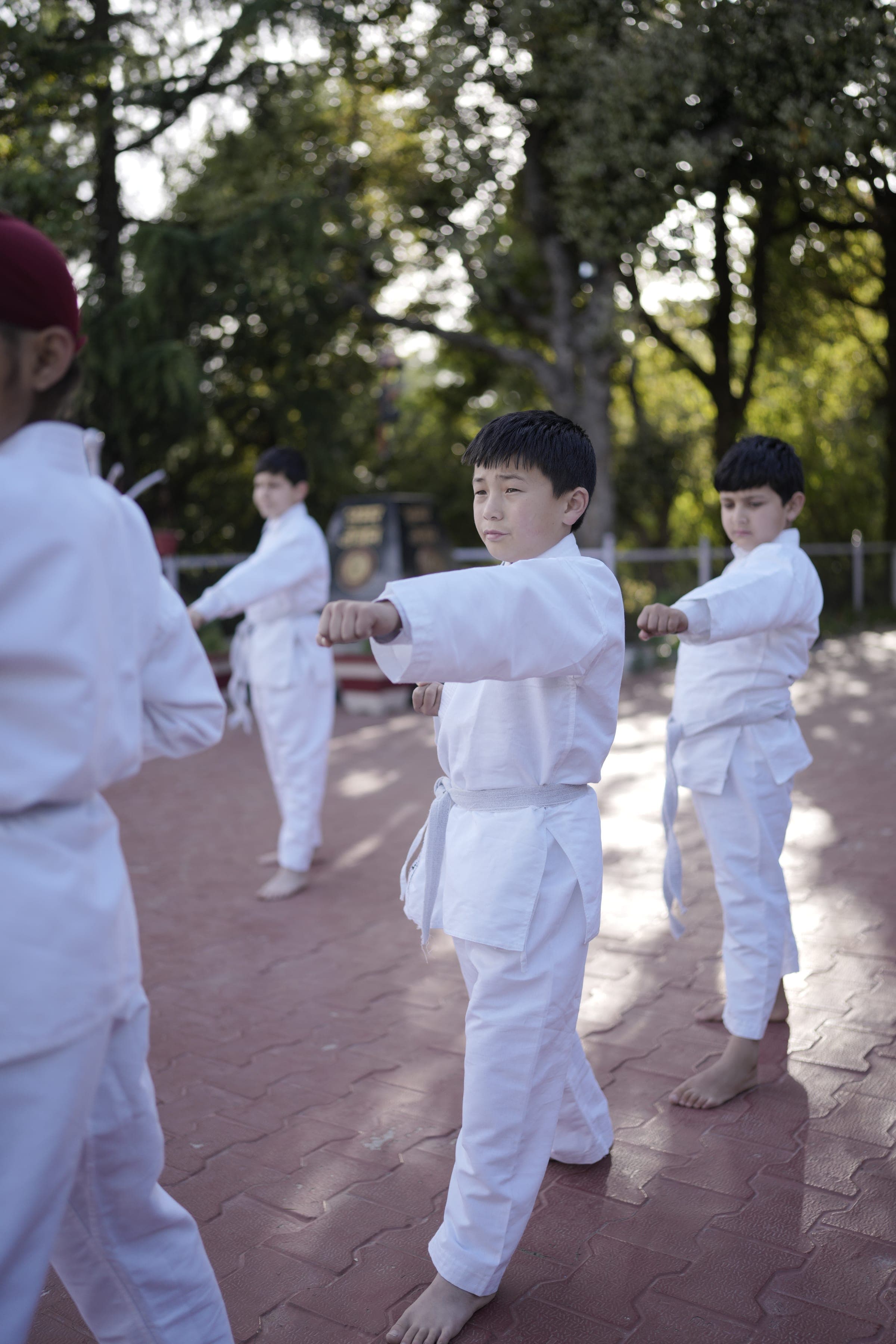
Where this leads
The two Dalhousie campuses are not better and lesser versions of the same school. They are two expressions of one philosophy.
Why Dalhousie
Academic progress remains central. But it sits alongside a wider view of the child.
Dalhousie does not confuse independence with leaving children to manage alone. Teachers, mentors, house parents and pastoral teams remain close enough to notice when guidance is required, while allowing children to take increasing ownership of their routines and responsibilities.
Too little responsibility delays growth. Too little support can make growth harder than it needs to be. Dalhousie aims to create the space between the two - where children can try, make mistakes, receive guidance and try again.
The two Dalhousie campuses are not better and lesser versions of the same school. They are two expressions of one philosophy.

A World Away. Ready For The World. A deeper residential experience shaped by mountain discipline, house culture, outdoor strength, community and growing self-reliance. For families seeking greater residential depth, distance from distraction and an environment in which children become stronger from within.
Explore Dalhousie
All-Round. Without the Running Around. A contemporary campus experience bringing academics, preparation, confidence, sport, leadership and future pathways into one connected ecosystem. For families seeking academic choice, confidence, exposure, flexibility and wider future readiness.
Explore New ChandigarhOne Dalhousie. Two ways to grow. The choice is not about which campus is better. It is about which environment is the better fit for your child and family.
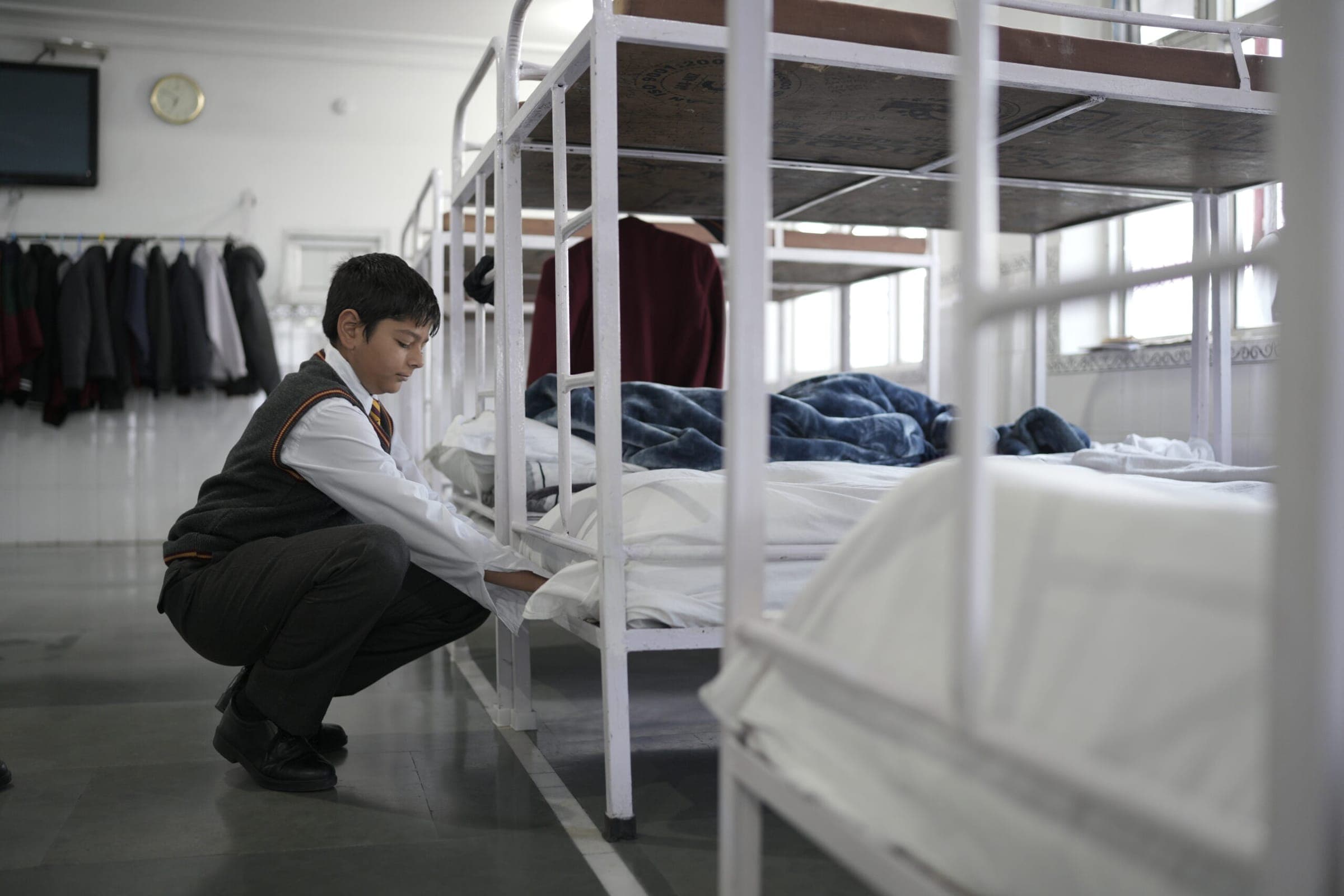
A child who once avoided the stage raises a hand. A student begins preparing without being reminded. A difficult match ends, and the child learns to return stronger. A disagreement in the house becomes an opportunity to listen and adjust.
A concept that felt impossible becomes manageable through guided practice. A younger child takes responsibility for something that once required an adult. These moments rarely arrive with certificates. But together, they become confidence, discipline, resilience and character.
That is why Dalhousie looks beyond what a child achieves. It pays attention to who the child is becoming.
The difference, on film
What the school builds in a child shows up in how they move through a day. These are the moments the words are describing.
4 films

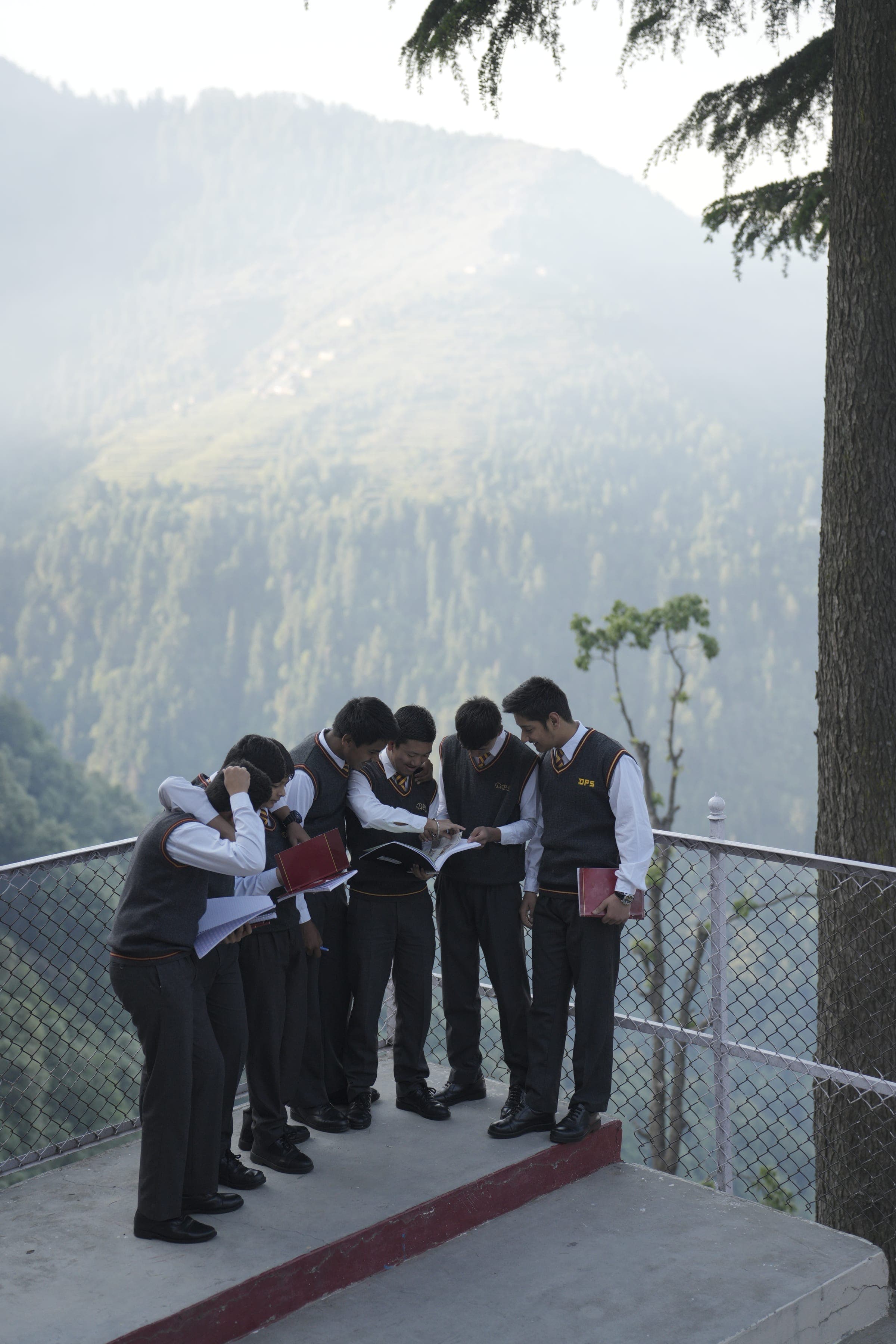
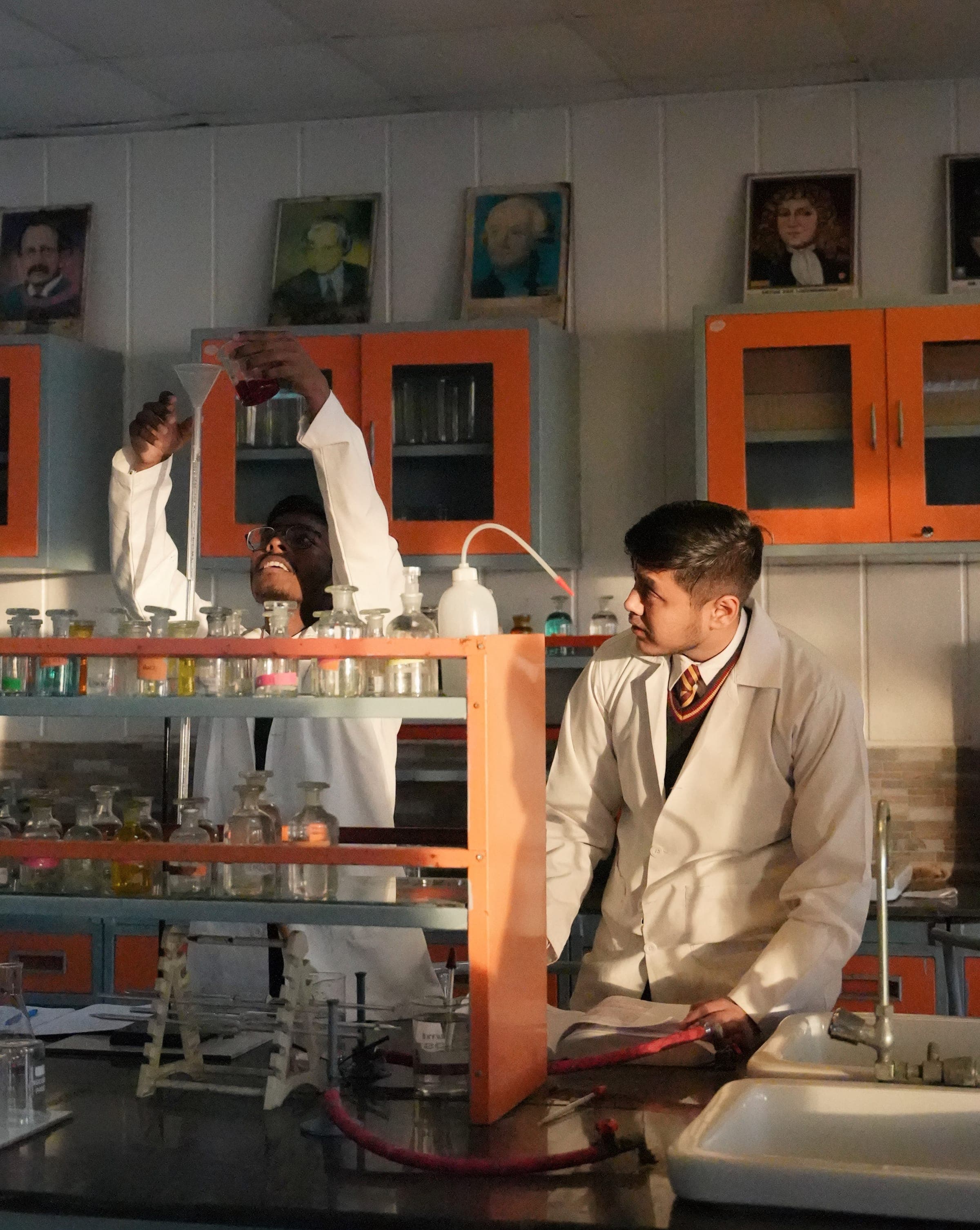
Walk through the classrooms. See the rhythm of the day. Watch children participate in sport, preparation and school life. Understand the campus environments. Meet the people who will teach, guide and support your child.
Ask how academic progress is tracked. Ask how confidence is developed. Ask how responsibility grows. Ask how the school knows when a child needs support. The Dalhousie Difference is not meant to exist only in words. It should be visible in the experience.
The whole child for the whole future.
Visit Dalhousie
See the difference for yourself.