

A community to belong to. Adults to turn to.
House Culture & Pastoral Care
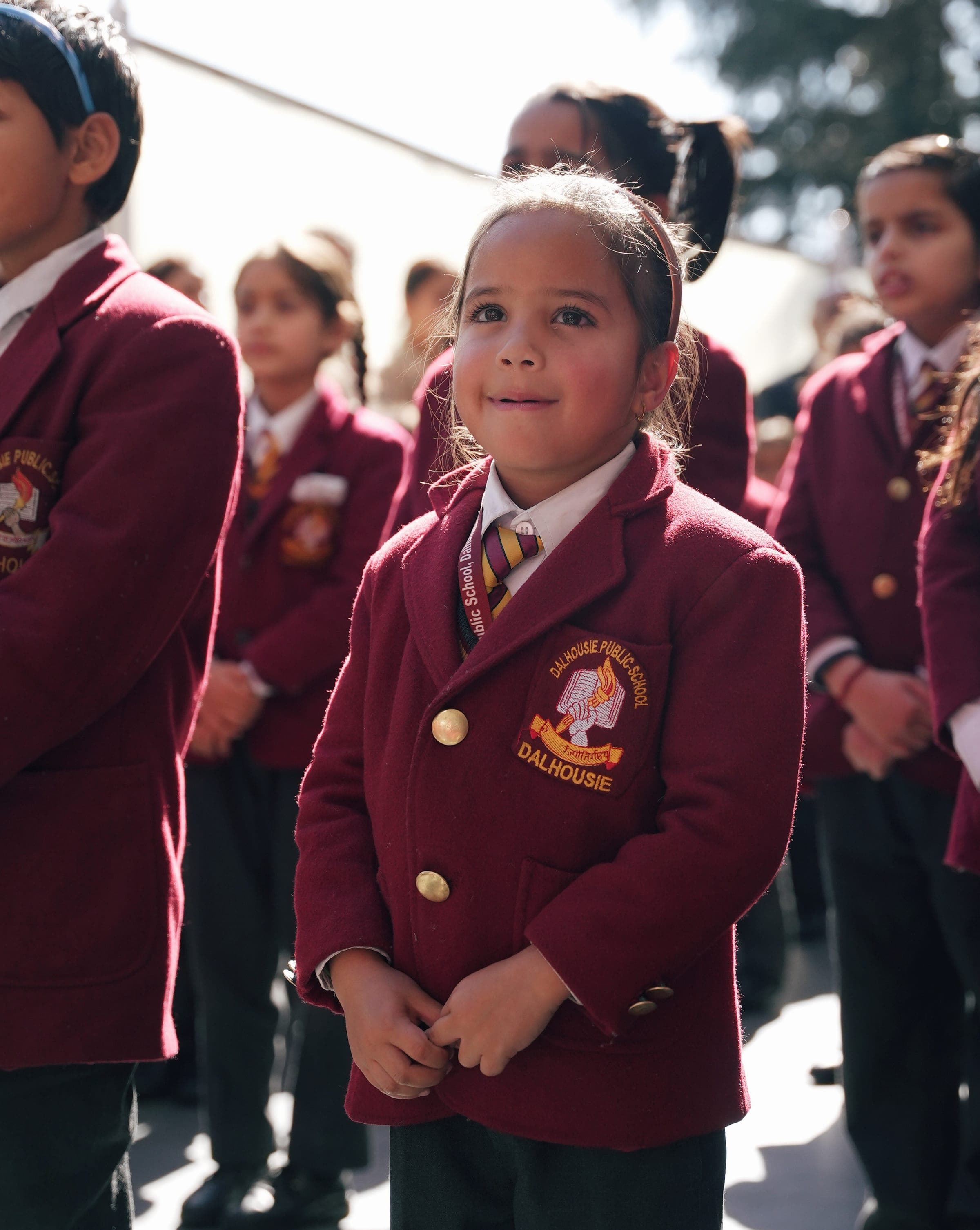
The House as a Community
Residential life asks children to become more independent.
House culture ensures they do not have to become independent alone.
The house gives each child an immediate community within the wider school - a place to belong, contribute, build relationships and receive guidance.
- Belonging creates the confidence to grow.
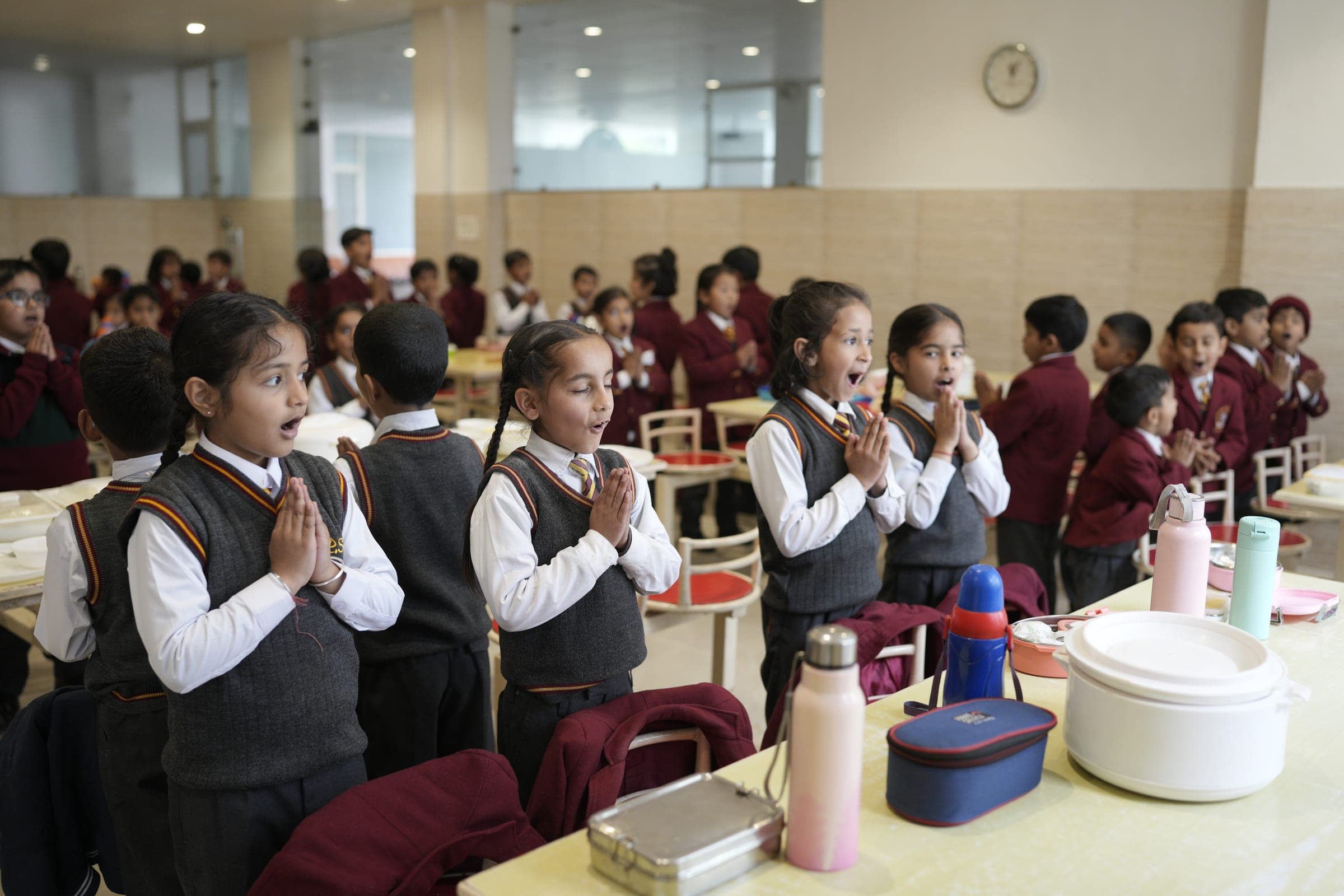
- The house brings students together around shared routines, spaces and responsibilities.
- Children learn how to live with others.
- How to contribute.How to adjust.How to respect differences.
- And how to become dependable within a community.
Over time, the child moves from simply being part of the house to actively contributing to it.


House Parents & Mentors
Children need adults who know more than their academic results.
House parents and mentors can see another side of the child:
- How they manage routines.
- How they respond to difficulty.
- How they build friendships.
- Whether they are participating.
- Where they are becoming more independent.
- And where they may need support.
- These relationships make pastoral care more personal.
Routine, Responsibility & Belonging
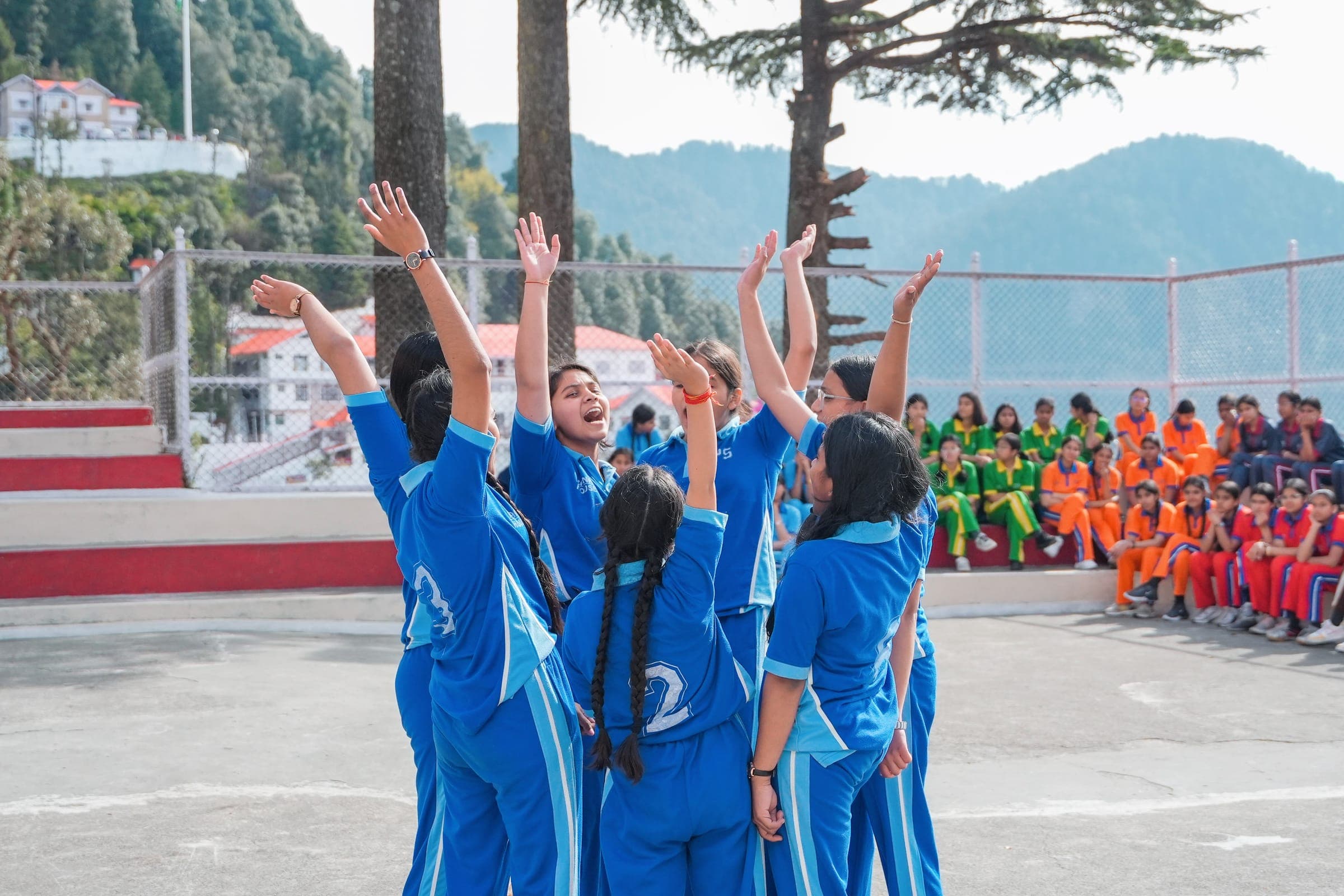
Everyday residential routines provide small opportunities to build responsibility.
- Being prepared on time.Looking after belongings.Maintaining shared spaces.Completing a duty.
- Following through on a commitment.
- These behaviours may look ordinary.
- Repeated over time, they become self-management and maturity.
Emotional Care
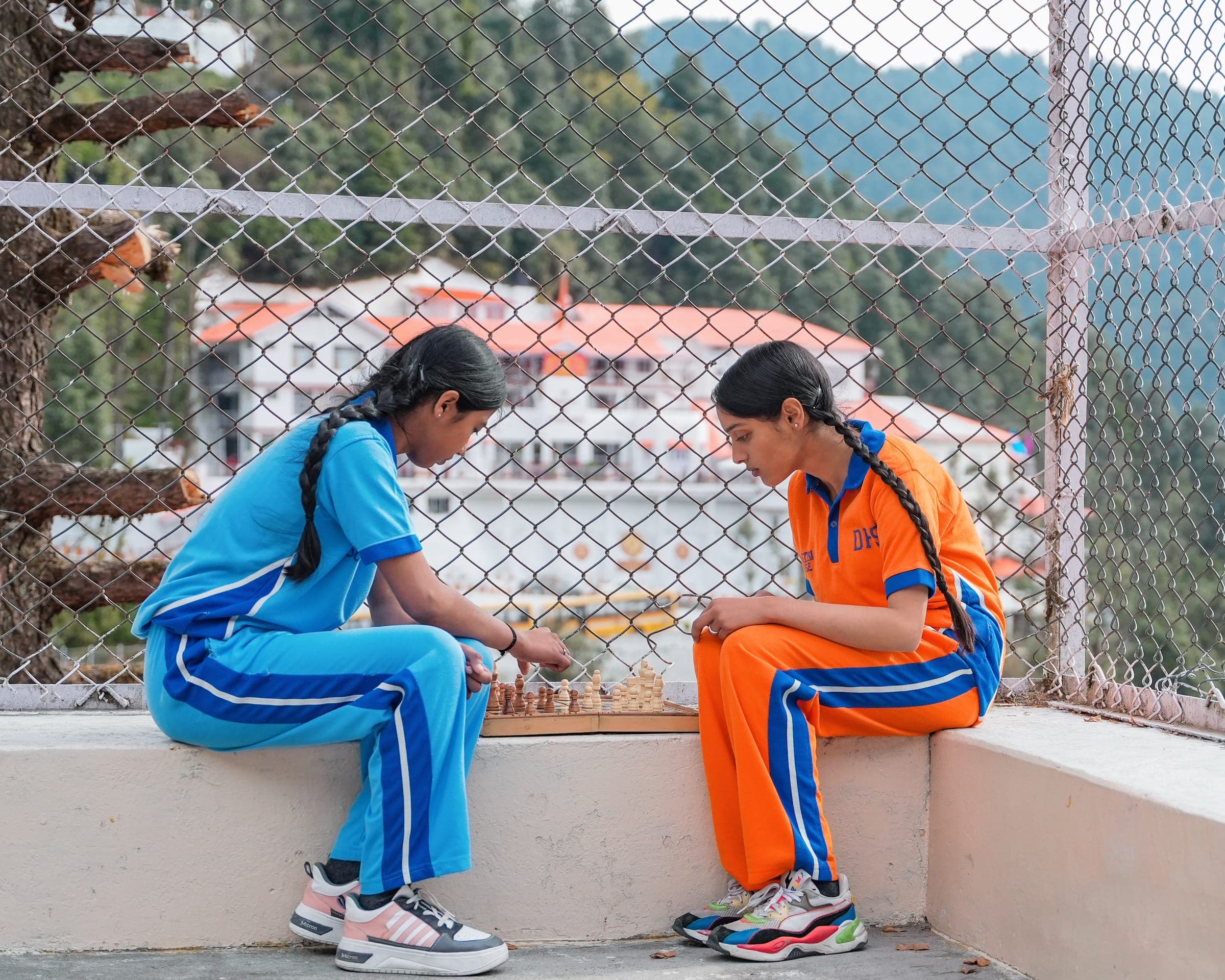
- Growing up will include difficult moments.
- Homesickness.Disagreements.Academic pressure.Uncertainty.Changes in friendships.
Children need adults they trust and an environment in which asking for help is treated as part of growing well.
Pastoral care is there to support the child through these moments without removing every challenge from their path.
Health & Wellbeing
The child's physical wellbeing is part of the wider care environment.
Daily routines, nutrition, rest and access to appropriate medical support all contribute to how securely a child experiences residential life.
Safety & Safeguarding
Parents should understand how children are supervised and how concerns are identified, communicated and escalated.
The website should carry the School's approved safeguarding and safety information here, linked to the relevant policies.
Parent Communication
Independence for the child should not become uncertainty for the parent.
Parents need a clear understanding of who to speak to and how they will remain connected to their child's journey.
Communication should help families understand academic progress, residential adjustment, wellbeing, participation and areas where the child may need greater support.
Growth Beyond Marks
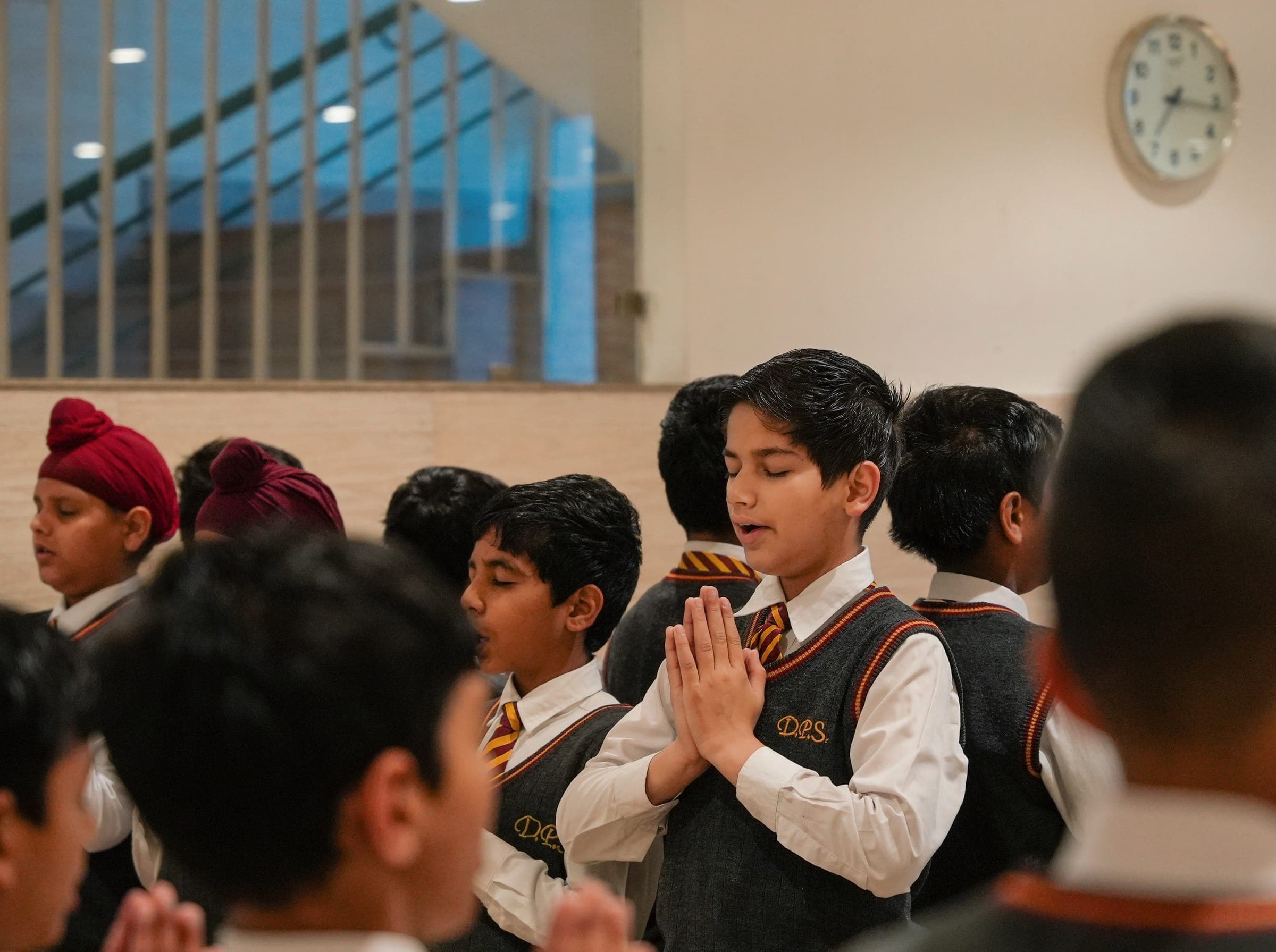
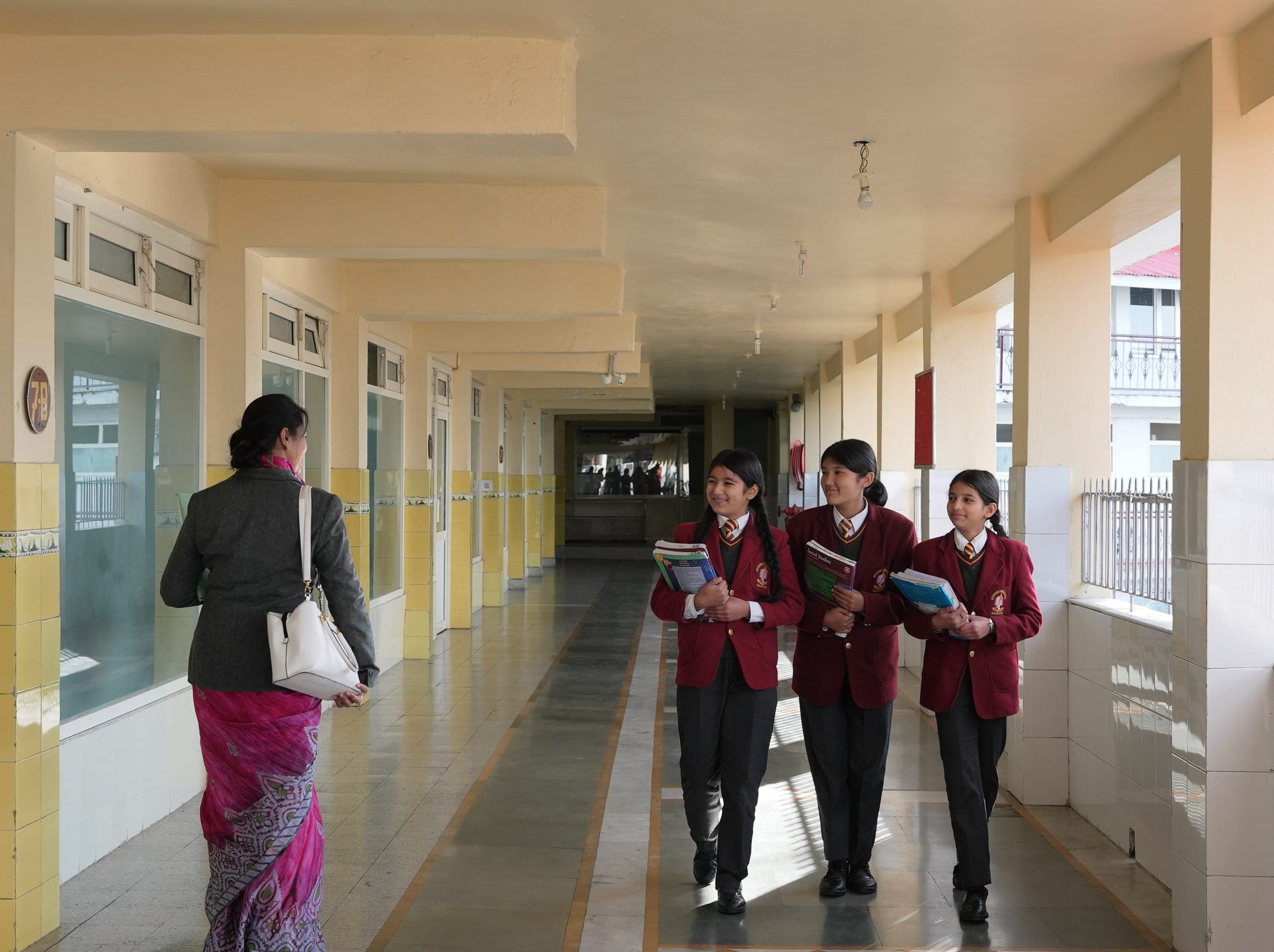
- Residential growth often appears in small changes.
- A child manages a routine independently.
- Becomes more considerate in a shared space.
- Takes responsibility without being asked twice.
- Handles a difficult friendship more maturely.
- Begins asking for help at the right time.
- These changes matter.
The Dalhousie Growth Note and Whole Child approach are designed to give them greater visibility.
House culture, on film
A home, for now.
House life is the part of a residential school that a photograph struggles to carry.
1 film
Care enough to support. Trust enough to let them grow.
The purpose of pastoral care is not to make childhood free of difficulty.
It is to create an environment in which children can meet difficulty with guidance, security and increasing confidence in themselves.
Known. Guided. Supported. Growing.
See the difference for yourself.