

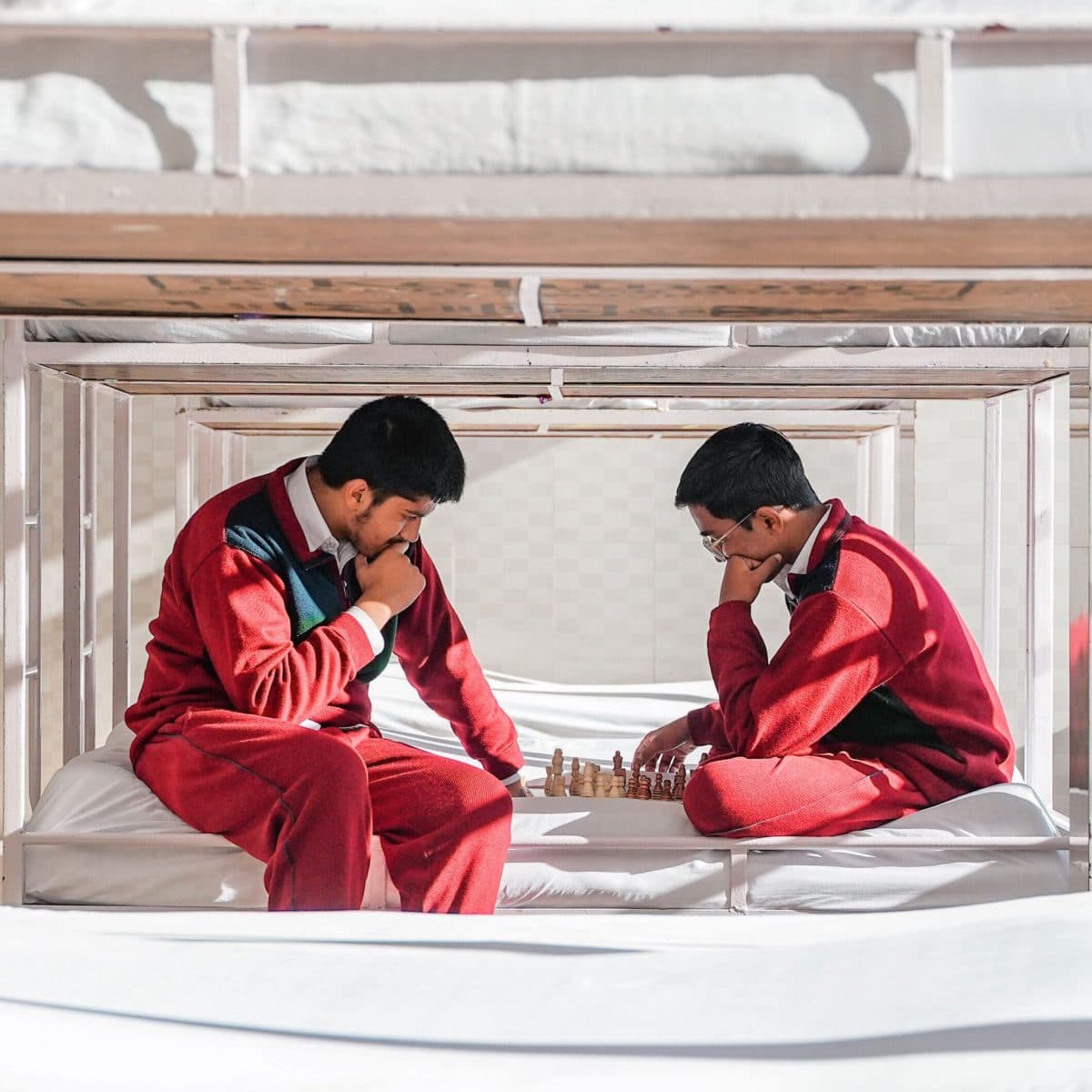
House & Residential Teams
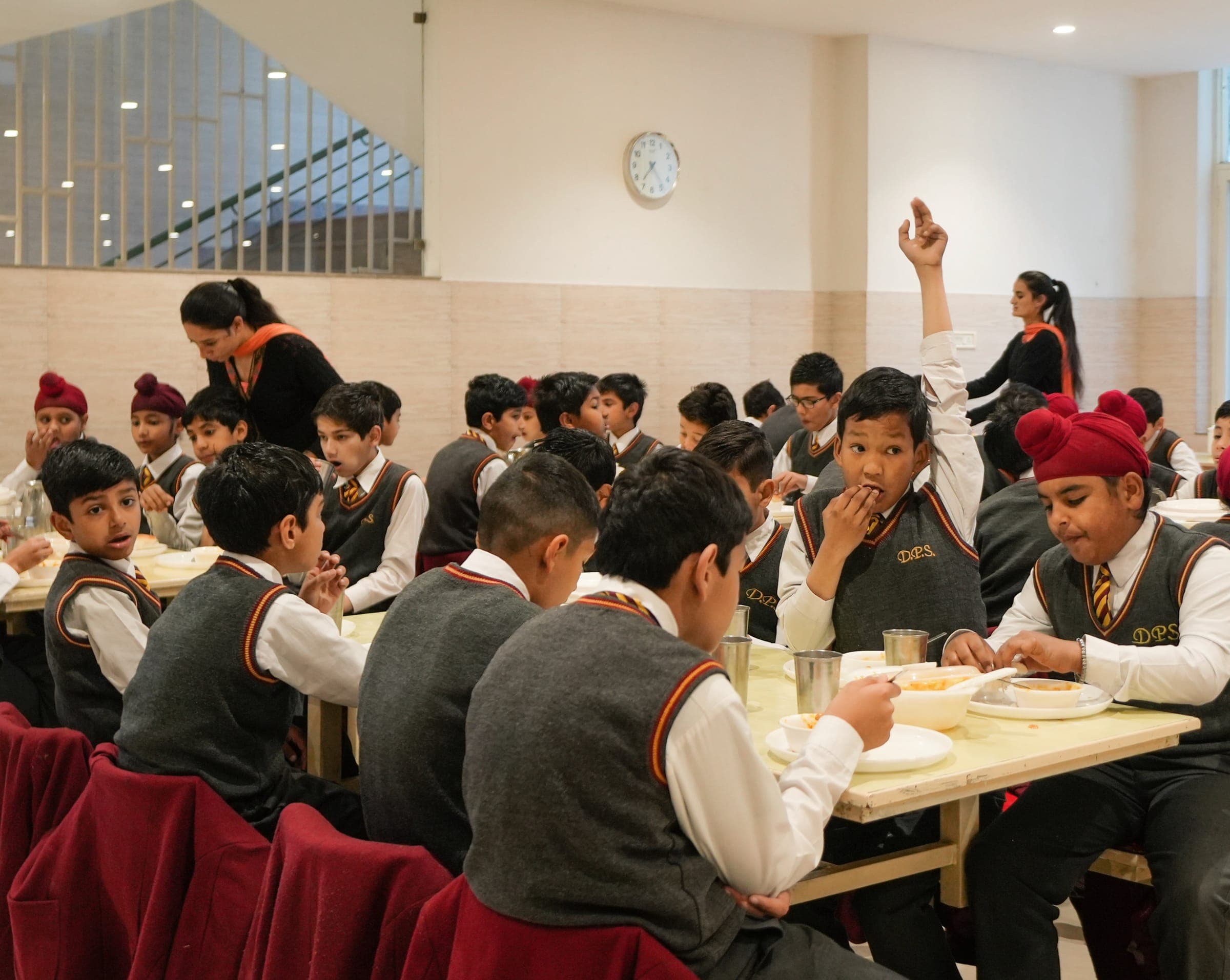
For residential students, house life offers another view of the child - routines, friendships, independence and everyday responsibility.
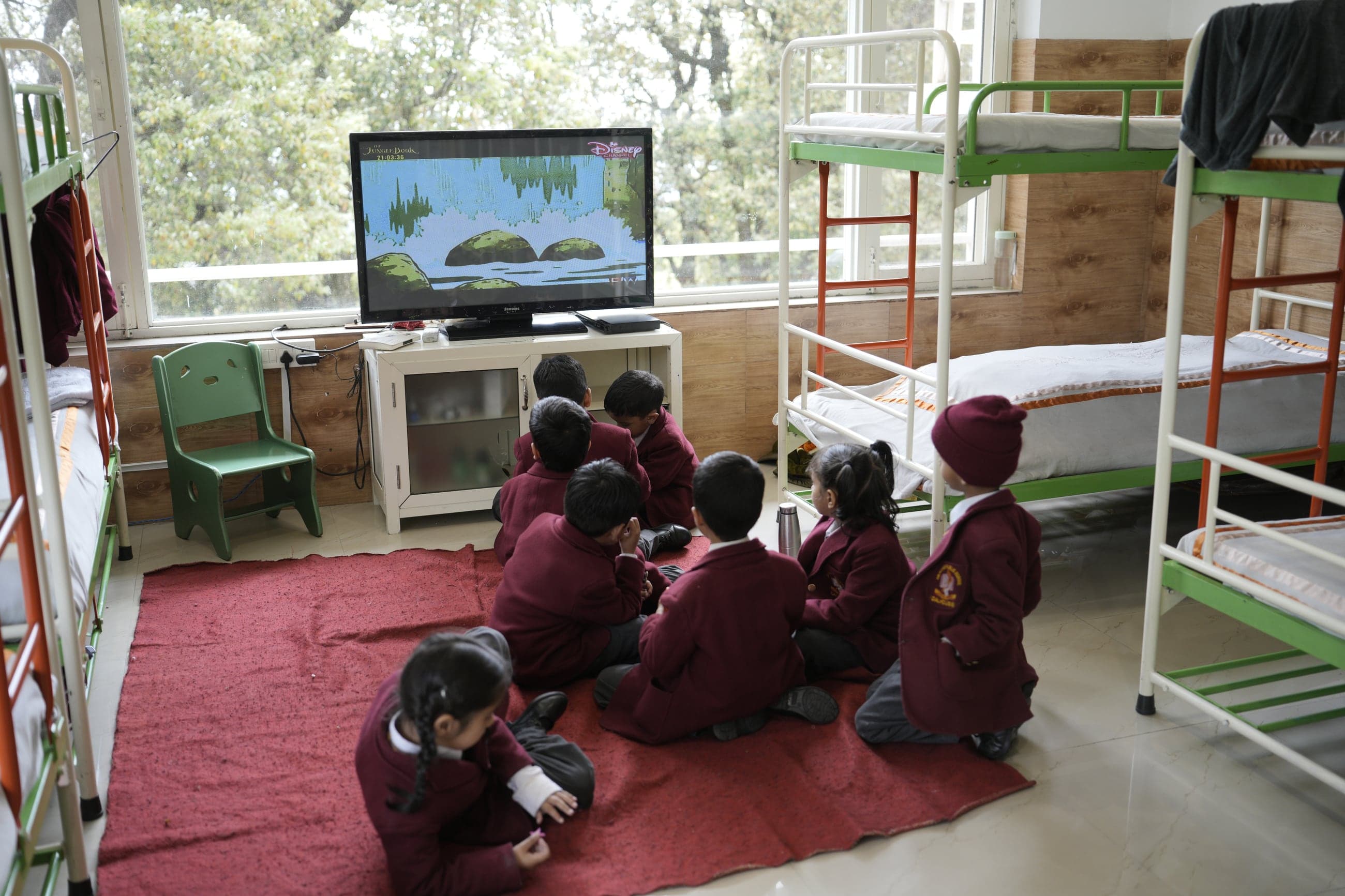
How are they settling in? Are they participating? Are friendships changing? Are they becoming more independent? Is something beginning to affect their confidence, health or learning?
At Dalhousie, pastoral care is part of the everyday experience - connecting teachers, mentors, house teams and parents around the child.
Because independence should grow with support, not in the absence of it.


Pastoral care is not only what happens when a child is struggling.
It is the relationships and everyday attention that help adults understand the child well enough to notice change.
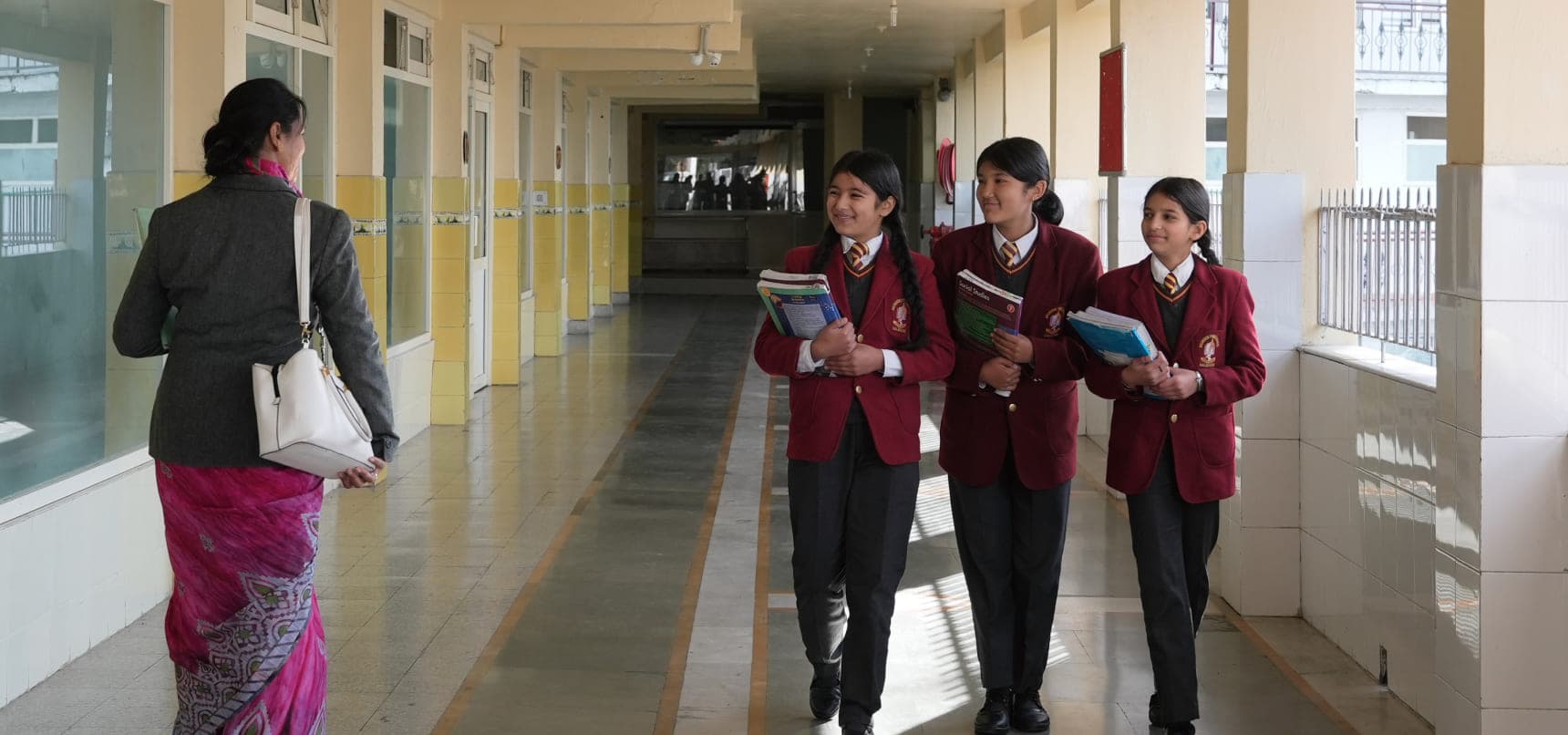
Teachers see the child through learning - participation, confidence, effort and academic progress.
Mentors create space for reflection, guidance and conversations about progress, decisions and challenges.
For residential students, house life offers another view of the child - routines, friendships, independence and everyday responsibility.

Physical health and emotional wellbeing are part of the larger care system around the child.
Together, these perspectives create a fuller understanding than any one interaction can provide.
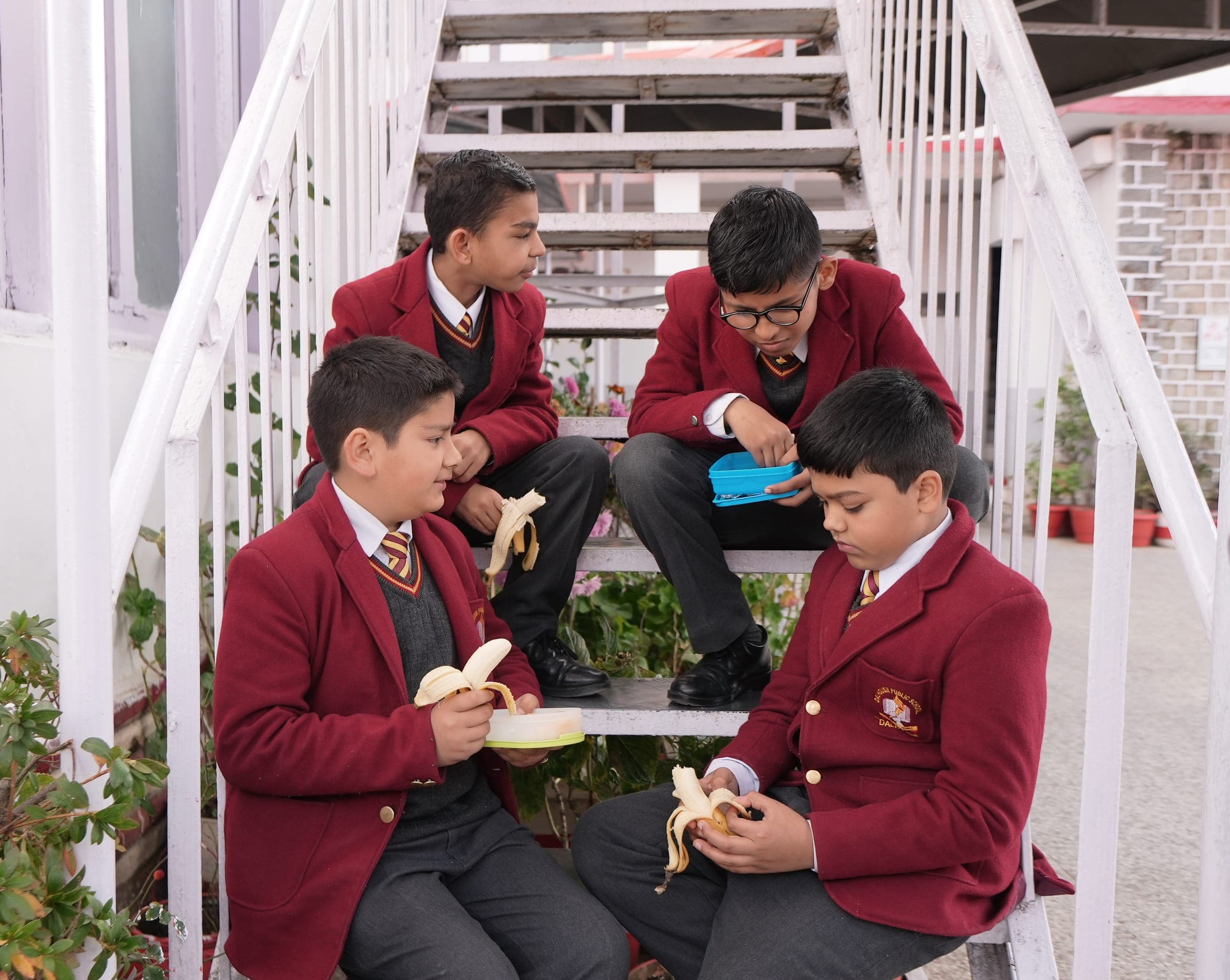
Parents need more than occasional information.
They need a clear understanding of how their child is learning, participating, adapting and growing.
Parent Connect brings the school and family into a more meaningful conversation around:
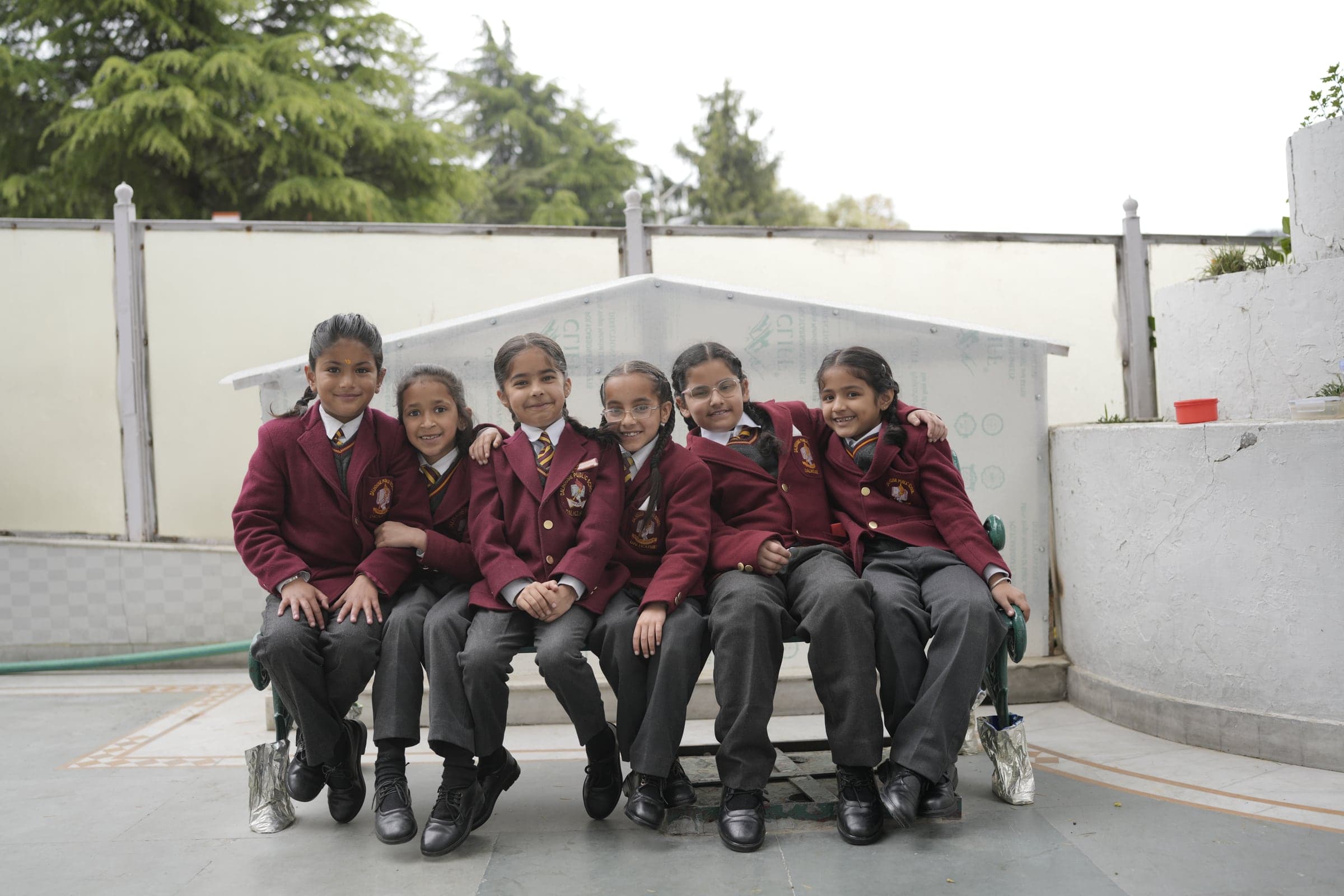
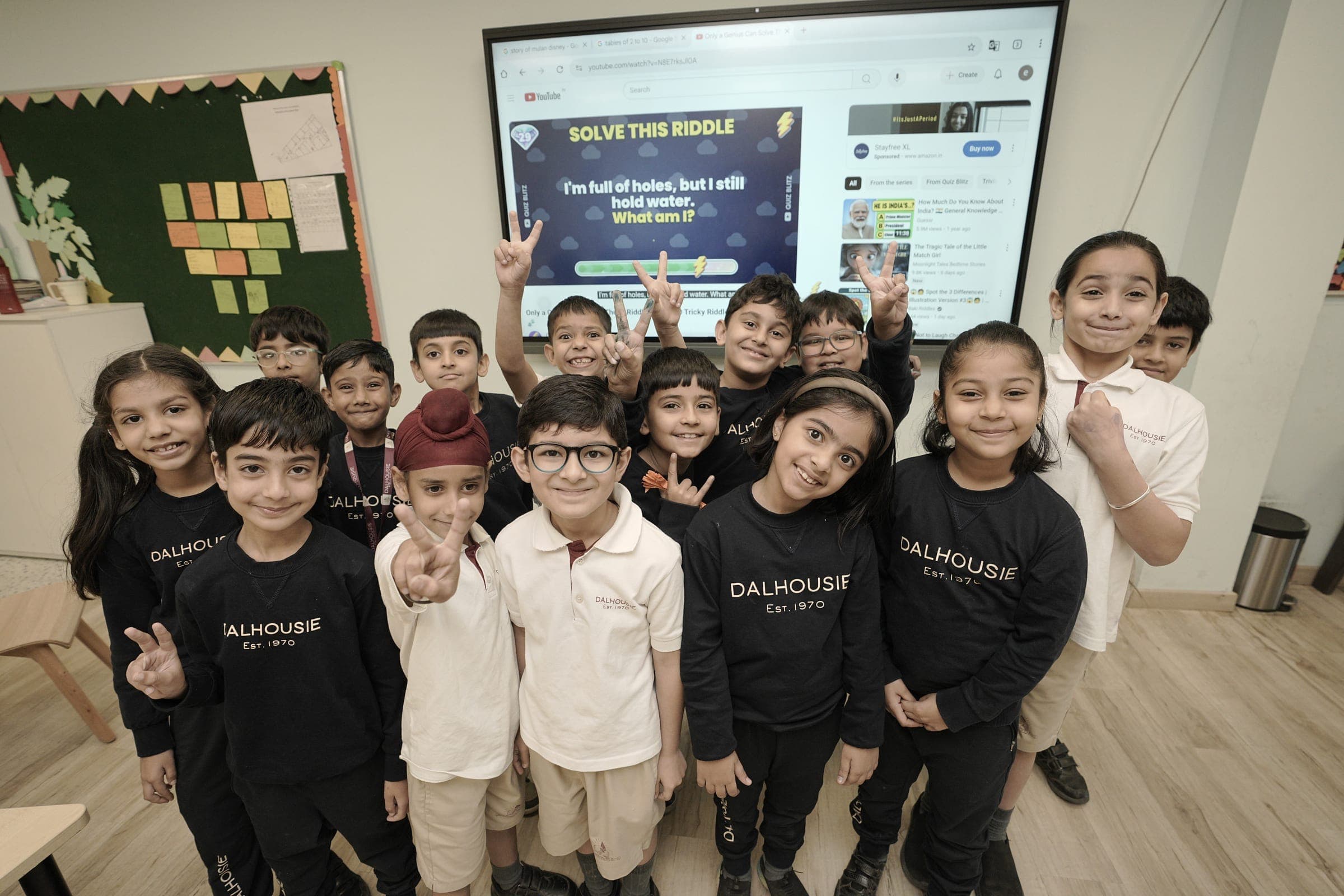
Academic progress
How the child is learning and where greater focus may be required.
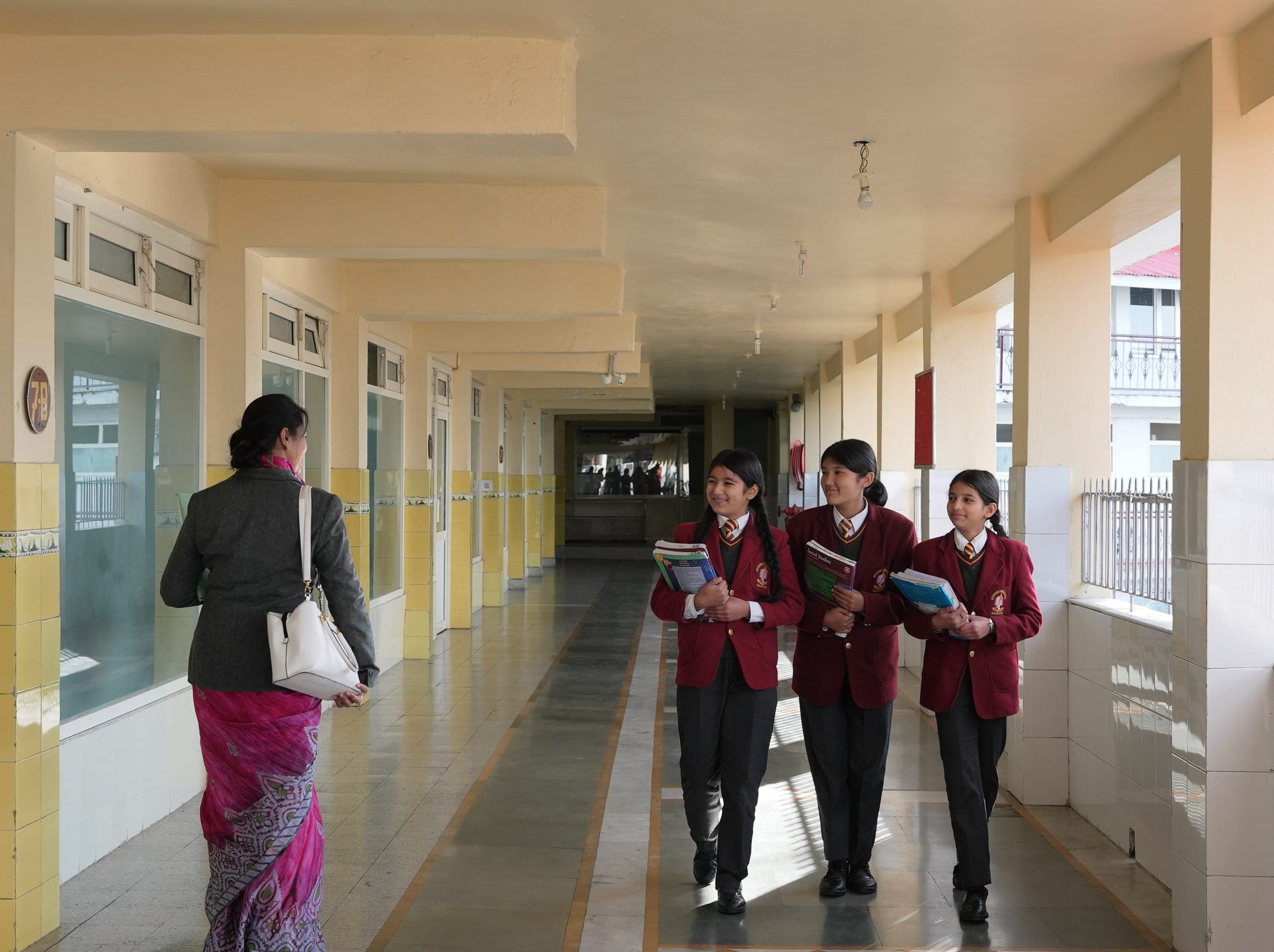
How the child is settling, participating and responding to everyday school life.

How comfortably the child is communicating, contributing and engaging.
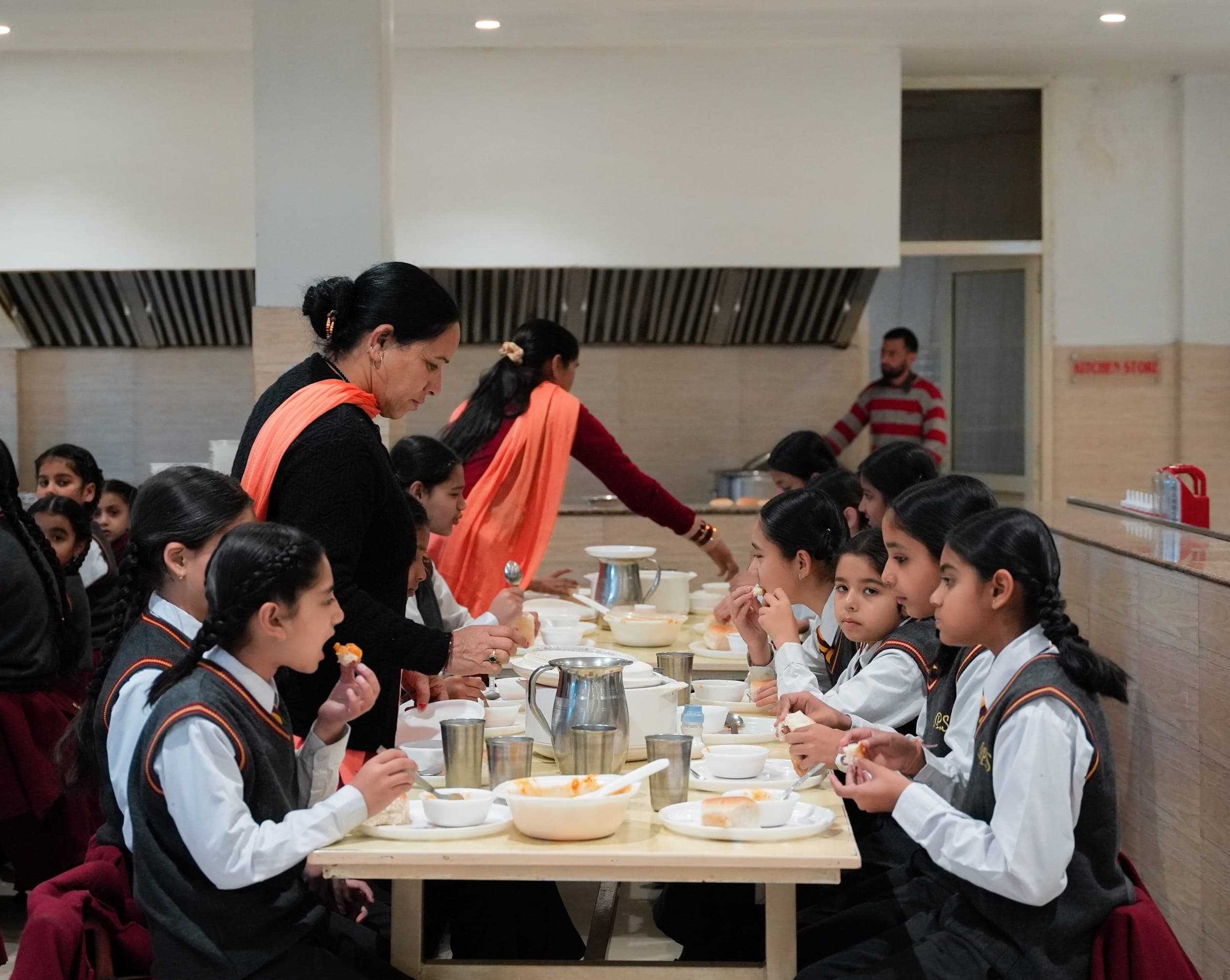
How the child is managing routines, commitments and increasing ownership.
Residential Growth. For boarding students, how they are adapting to house life, relationships and greater independence.
The purpose is simple:
Parents should have a clearer view of the child, not only the timetable.
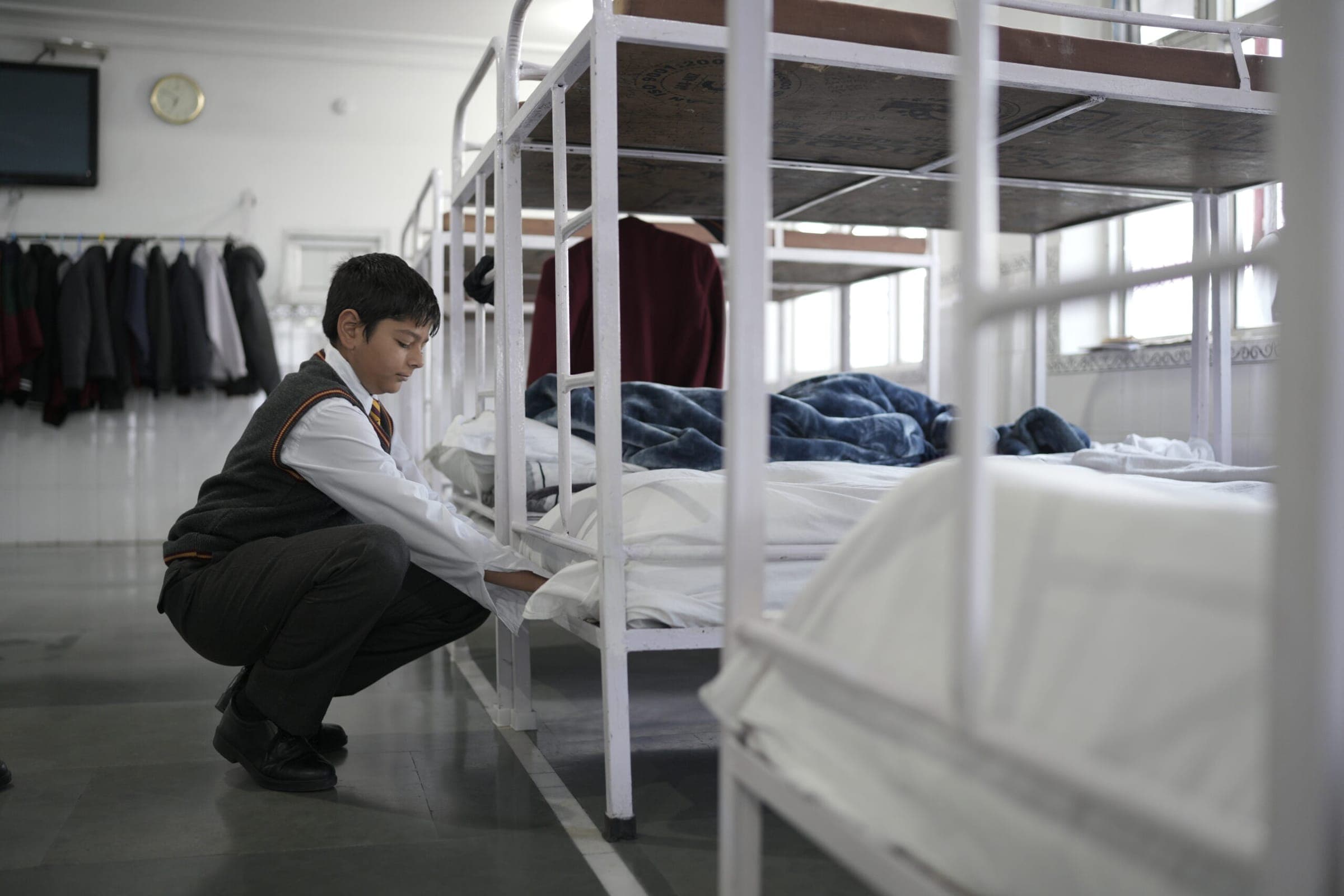
Care that stays close.
Dalhousie's parent-connect approach is designed around clear channels of communication so that academic, residential, medical or pastoral concerns can reach the people responsible for supporting the child.
The aim is make sure parents know that concerns can be heard, understood and addressed through an organised system of support.
The Dalhousie Whole Child approach allows these questions to become part of the parent conversation as well.
Children need opportunities to make choices, manage responsibilities and solve smaller problems for themselves.
Across both campuses, the principle remains the same:
How that care is experienced will naturally reflect the child's age, campus and residential format.
At the Dalhousie Campus, pastoral care is closely woven into full residential and house life.
At New Chandigarh Campus, care supports children across the academic journey and the campus formats available to their age and stage.
Different environments.
One responsibility towards the child.
Children can be challenged when they feel secure.
They can become independent when guidance remains available.
They can take greater responsibility when adults know when to step in - and when to step back.
That balance sits at the heart of Pastoral Care & Parent Connect.
Known. Guided. Supported. Growing.
Care is not separate from preparation.
See the difference for yourself.